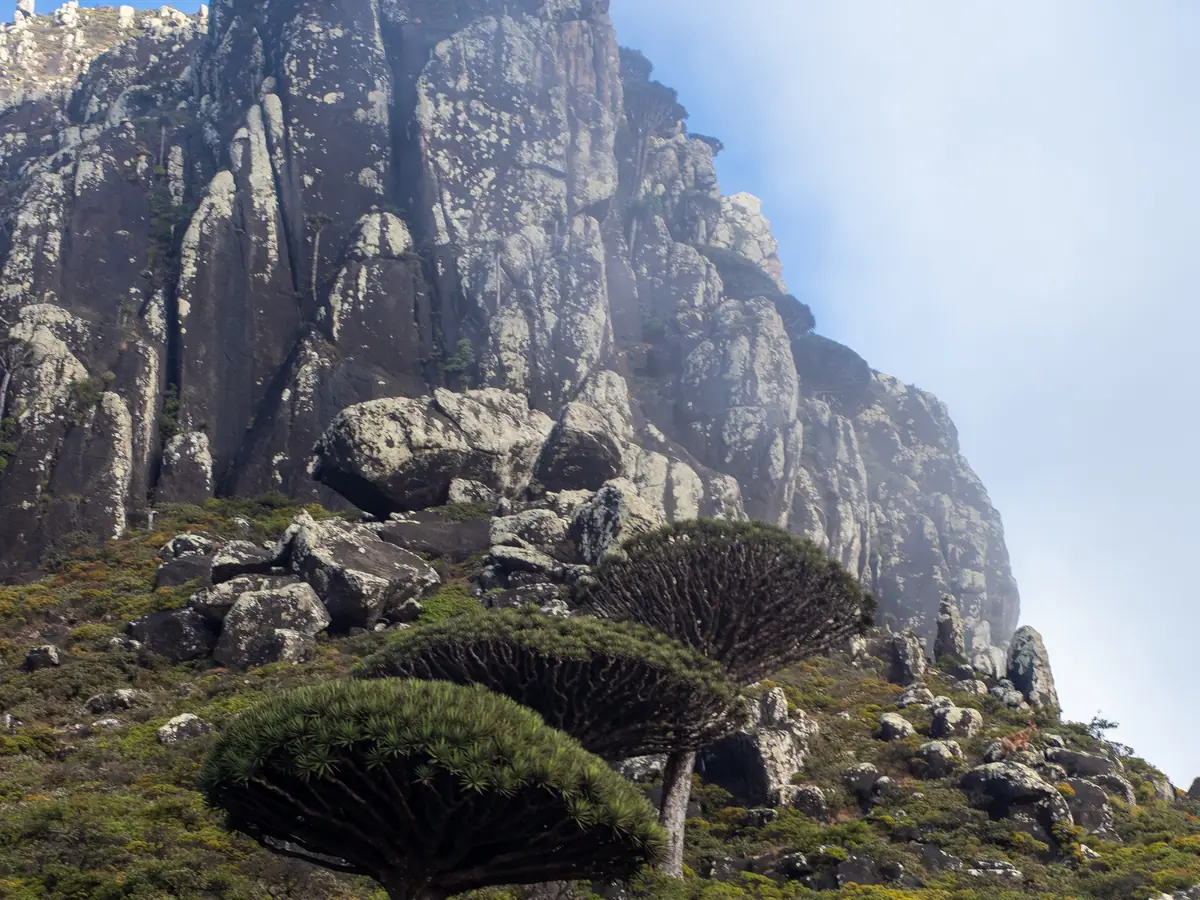
The Hajhir mountains, also spelled Haghier, are the granite massif at the centre of Socotra and hold its highest ground. Fifty species are found only in these mountains. They are not on the standard eight-day tours. Reaching the high ground takes a dedicated trek of three to five days, with camels carrying the kit, or a 15-day itinerary.
The Hajhir mountains (also spelled Haghier or Hagghier) are a massif of granite and metamorphic rock at the core of Socotra. The northern face has sheer cliffs 400 to 600 metres high, and the southern and eastern faces slope more gently.
The mountains are the island's watershed. Their peaks receive roughly 300 mm more rain a year than the lower ground.
The highest point
Published figures for the island's highest point do not agree. The 2008 World Heritage nomination gives 1,526 metres and names the summit Jabal Dryet. Other published figures are 1,519 metres for Mount Skand, also written Scand, and 1,503 metres for the range as a whole. Two operator itineraries give 1,525 metres.
On OpenStreetMap, a peak named Hajhir is marked at 1,189 metres. It is a lower peak within the massif, not the highest point.
Plants found only here
Socotra has 825 recorded plant species, and 307 of them (37%) grow nowhere else. The island has one of the highest densities of endemic plants in south-west Asia, and the richest concentration is in these mountains. Fifty species are found only in the Hajhir, among them the sedge Carex socotrana.
Above about 1,200 metres, the mountains hold remnants of Afromontane forest.
Rain and mist
Rainfall on Socotra varies so much from place to place that no single figure for the island is meaningful. The highest inland rainfall, about 800 mm a year, is a figure for the mountains. During the southwest monsoon, very little moisture falls as rain on the lowlands. The highlands intercept it as cloud and mist, and the vegetation depends on it.
Where dragon's blood trees grow high up, they add water by catching mist and fog in their crowns. A 2020 study put this at 792 mm a year under the crowns between 951 and 1,545 metres, against 46 mm between 180 and 600 metres. A tree in the mountains collects about 14.7 m³ of water a year, and a tree on the plains about 4.5 m³.
Wildlife
Eleven bird species are found only on the Socotra archipelago, on the April 2020 checklist by Richard Porter and Ahmed Saeed Suleiman. The Hajhir mountains hold 8 of them. The Socotra bunting, a bird of the mountains and uplands, numbers about 2,500 mature birds and was assessed as Near Threatened in 2017. The Socotra warbler and the Socotra sunbird live in shrubland up into the mountains. The Socotra scops owl is recorded here, and so are endemic geckos.
The Egyptian vulture is endangered globally and abundant on Socotra. Roosts of more than 350 birds gather on the north slopes of the mountains, and more than 20 pairs breed in them.
Walking in the mountains
The Hajhir mountains are not on the standard eight-day tours. A dedicated trek takes three to five days, with camels carrying the kit.
Our 15-day expedition spends two days on foot here. The route climbs through the wadis past the village of Kishan to a high camp at Adoho Dema'alah. The next day follows the high ridges towards Fa'arh peak, with views down to the coast, and descends through Wadi Di-Azaqaloh. On the third day the route comes off the mountain to canyon pools and continues to Firmihin. It is the hardest walking on any trip we list, with several hours a day on rough, uneven paths.
Skand and the mountain camps
Skand camp sits at the base of Jabal Skand, in the Hajhir massif. It is one of six eco-campsites on the island, with tents or a stone building to sleep in. No source states whether it has toilets or showers.
The camps on the trekking routes, such as Adoho Dema'alah and Wadi Da'aharoh, are wild camps with no facilities. Trekking itineraries also use camps at Dimalah and Darho, on the approaches to the mountains. The mountain nights on the 15-day expedition are basic.
Wildlife here
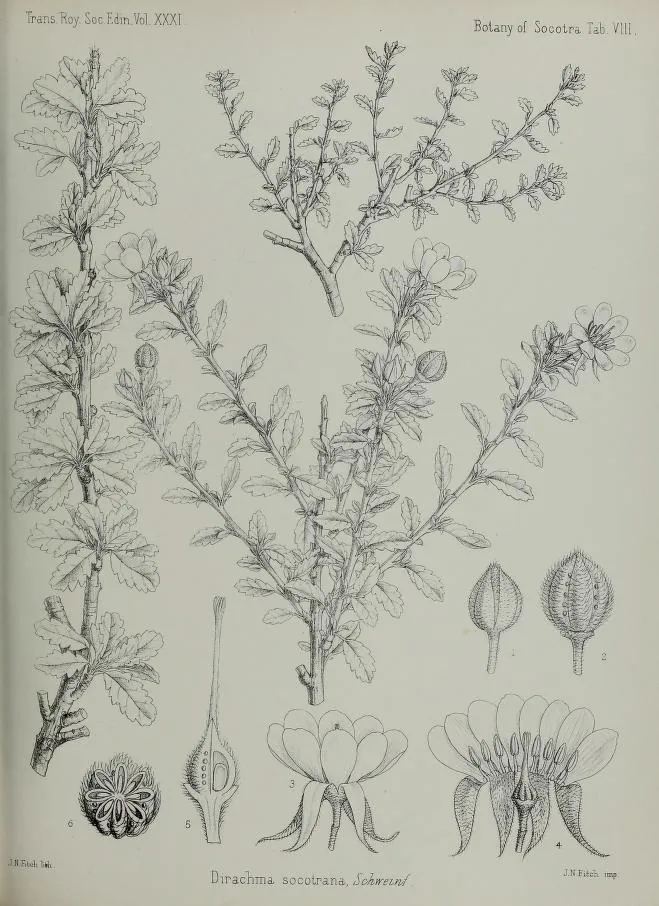
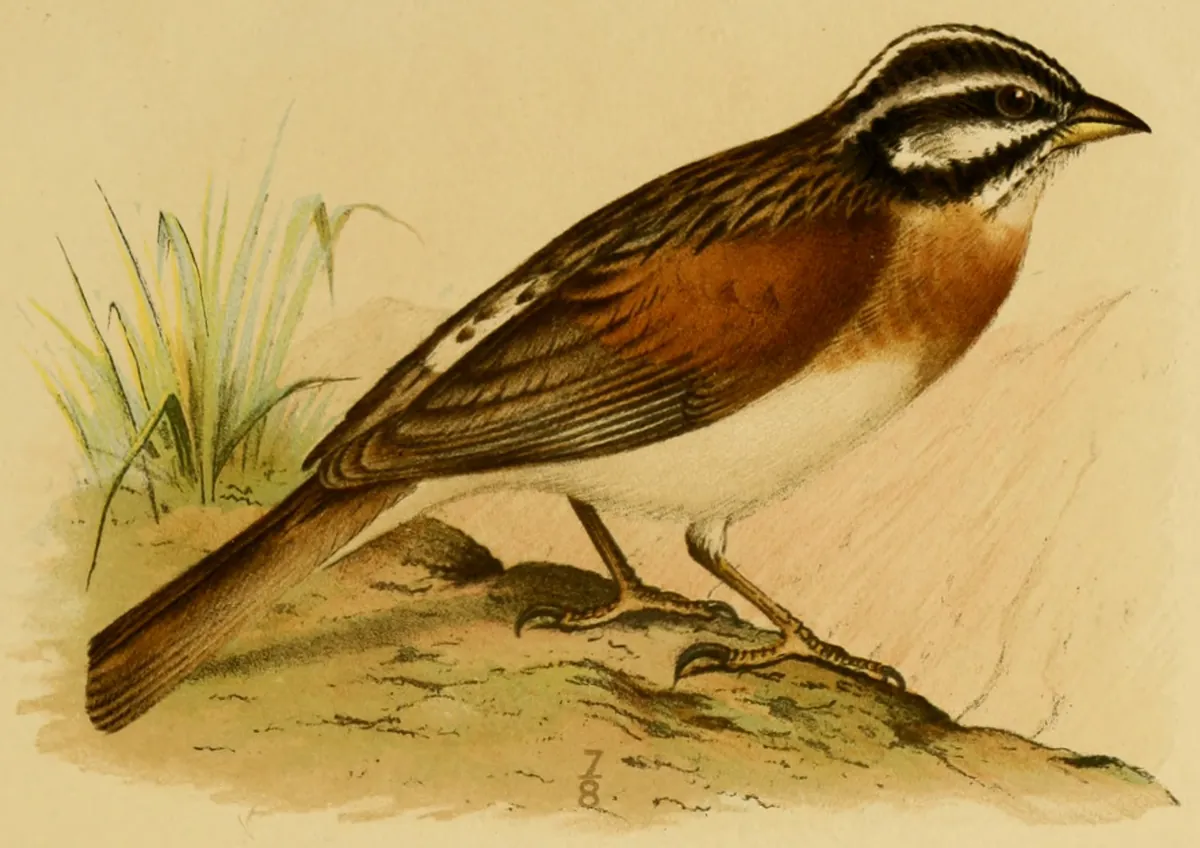
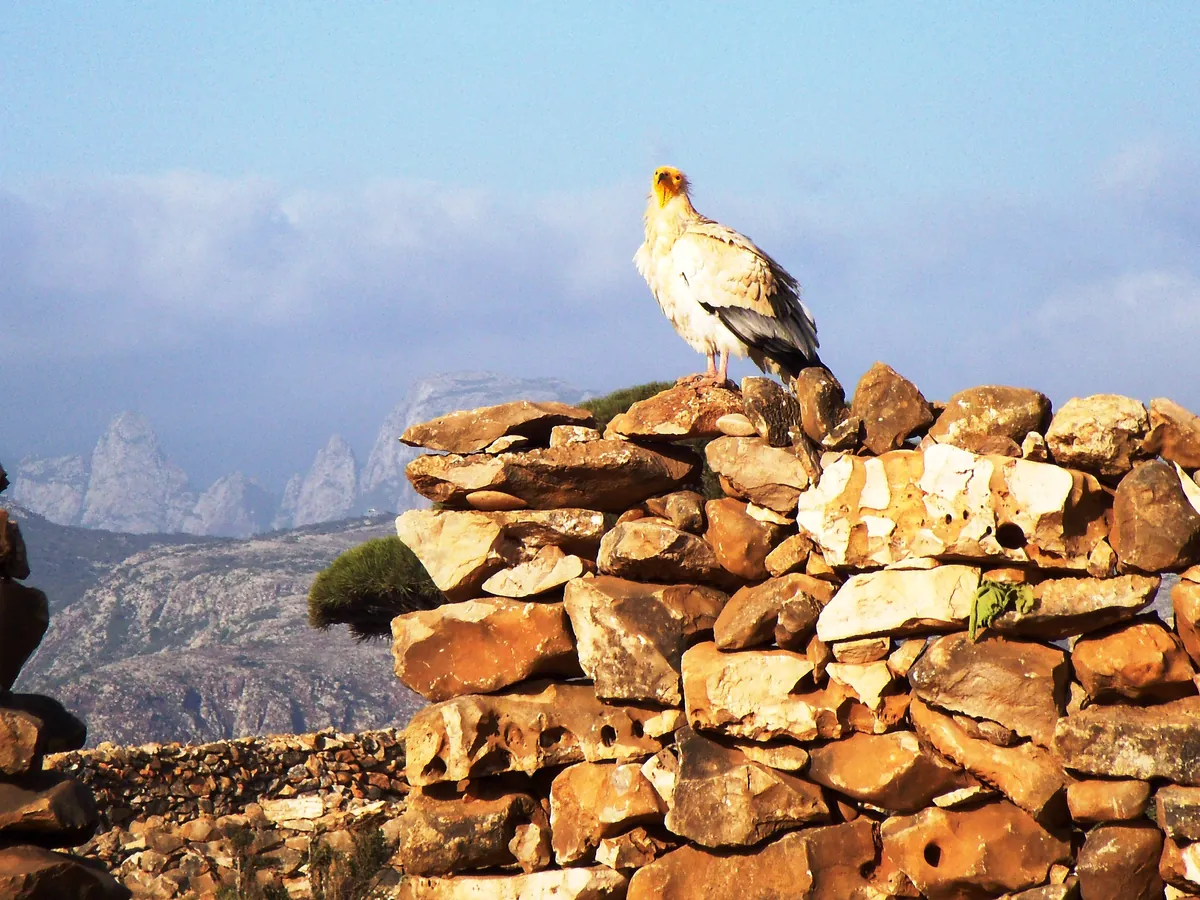
Hajhir Mountains is one of the best sites on the island for its endemic birds. See the birds and the birding guide.
Visiting
- Our 15-day expedition includes two days on foot here, with a pack camel and handler. The eight-day trips do not go up.
- Wadi Ayhaft, a canyon valley that drains the central Hajhir, is the first stop on the classic eight-day circuit.
- The mountains stay cooler than the lowlands late in the season. There is no lighting at the mountain camps, so bring a head torch.
There are no bookable tickets for Hajhir Mountains, here or anywhere else — Socotra has no independent travel, so every visit happens as part of an operator-led trip with a sponsored permit. Our expedition packages all include it.
Read next
Planning a trip that includes Hajhir Mountains? Tell us your dates and we will come back with what is actually available.
Message us on WhatsApp