 Rod Waddington from Kergunyah, Australia · CC BY-SA 2.0
Cómo funciona de verdad reservar Socotra, y cómo no dejarte engañar
Socotra no se reserva por internet. Las plazas de avión van a operadores locales con licencia y el permiso de entrada tiene que patrocinarlo uno de ellos, así que es el operador quien arma el viaje entero. El pago es casi siempre por transferencia bancaria: normalmente una señal por adelantado y el resto en efectivo al llegar. Una transferencia no se puede reclamar como se reclama un cargo de tarjeta, y no hay ningún organismo regulador al que acudir. Consigue por escrito el importe de la señal, qué cubre y cuál es la política de reembolso antes de enviar nada.
Casi todas las preguntas prácticas sobre Socotra tienen respuesta en alguna parte. Esta no la tiene, y es justo la que hace que la gente no reserve: Tengo que transferir miles de dólares a alguien que encontré en Instagram, en un país en guerra, sin forma de recuperarlos. ¿Cómo sé que esto es real?
Aparece una y otra vez en los foros de viajeros. La contamos entre las objeciones más frecuentes que se plantean sobre el destino, junto al miedo a quedarse tirado y la sospecha de estar pagando de más. Nadie que venda Socotra la aborda, por la razón evidente de que ellos son el desconocido en cuestión.
Así que esto es lo que hay realmente detrás, lo que encontramos al revisar veintiún operadores y qué conviene comprobar.
Por qué no puedes reservarlo sin más
Tres cosas encajan entre sí.
El permiso. Para entrar hace falta un permiso de Socotra, y lo avala un operador local con licencia. No puedes solicitarlo por tu cuenta. Ese único hecho hace imposible el viaje independiente y convierte la relación con un operador en obligatoria, no opcional.
El vuelo. Las plazas no se venden por los canales normales de distribución aérea. Se liberan a operadores con licencia, que las asignan a sus clientes. Por eso no encontrarás la ruta en un comparador, y por eso «reserva el vuelo y ya te apañas allí» no funciona.
La temporada y la rotación. El vuelo opera aproximadamente una vez por semana dentro de una temporada que va de octubre a abril. La capacidad de cada rotación es pequeña, y el permiso necesita unas tres semanas de plazo.
La consecuencia es que el viaje, la plaza y el papeleo llegan en un solo paquete, montado por un único operador, pagado por adelantado, antes de que hayas conocido a nadie.
Lo que encontramos al revisar veintiún operadores
Reunimos el panorama de operadores a partir de sus propias webs y de listados públicos. Destacaron tres patrones, y los tres te afectan.
La mayoría no publica ningún método de pago. La mayor parte de los veintiún no dice nada sobre cómo se paga: ni condiciones, ni estructura de depósito, ni postura sobre reembolsos. Te enteras después de haber iniciado una conversación. Un operador sí lo indica de forma explícita, y pide un depósito por adelantado mediante Western Union. Otro canaliza sus reservas a través de una plataforma de reserva convencional, que es el caso atípico.
«Local» es una afirmación, no un hecho verificado. Una buena parte se describe como de propiedad local, y en la mayoría de los casos no hay forma de confirmarlo desde fuera. Varios resultan ser algo más complicado cuando los miras de cerca: híbridos con socios europeos, empresas conjuntas y, en al menos un caso, un revendedor extranjero confirmado, registrado en Europa y que se promociona con el lenguaje de un operador local. Algunas autodescripciones se contradicen en sus propias webs.
Esto no es una acusación de deshonestidad. Llevar un negocio en Socotra implica de verdad tener socios extranjeros, y hay buenas razones para ello. Pero si estás eligiendo con el criterio de «quiero apoyar a un negocio local», la etiqueta por sí sola no te lo va a decir.
Dos gobiernos han advertido sobre fraudes con permisos en esta ruta. Conviene saberlo antes de que alguien se ofrezca a venderte un permiso directamente.
El problema del nombre de la cuenta
Vas a transferir dinero y te encontrarás con que la cuenta receptora está a nombre de una persona, o de otra empresa, o en un banco de un tercer país.
En cualquier otro sitio sería una señal de alarma de manual. Aquí es casi lo normal. La banca yemení está gravemente limitada por el conflicto y por el cumplimiento de sanciones en los bancos corresponsales, así que los operadores canalizan los pagos a través de cuentas personales, familiares o intermediarios en el Golfo o en Europa. Casi todo el que hace negocios legítimos recurre a alguna versión de esto.
Y ahí está justamente el problema: la señal que normalmente te protegería ha quedado inservible por culpa del entorno. No puedes usarla, así que tienes que usar otras cosas.
Qué comprobar de verdad
Ninguna de estas comprobaciones tiene nada de exótico. Son la diligencia debida de siempre, aplicada en un sitio donde de verdad sostiene el peso.
Consigue el nombre de una persona y úsalo. No un buzón de correo, no un número de WhatsApp: una persona. Pregunta quién va a ser tu guía. Los operadores con una operación real responden al instante; la respuesta es su mejor activo.
Búscalos en reseñas de terceros donde se mencione al personal por su nombre. Las reseñas que nombran al guía y describen días concretos son difíciles de fabricar en cantidad. Un muro de reseñas de cinco estrellas sin ningún detalle no demuestra nada.
Haz la pregunta de enero de 2026. ¿Qué pasó con tus clientes cuando cerró el aeropuerto en enero, y quién pagó las noches extra? Un operador que estuviera organizando viajes entonces tiene una respuesta real. Es la pregunta más reveladora que puedes hacer, porque es concreta, reciente y no se puede contestar con una frase de folleto.
Consigue las condiciones por escrito antes de enviar dinero. El importe del depósito, qué te asegura, el resto del pago y cuándo vence, la postura sobre cancelaciones y qué pasa si el vuelo no opera. Si algo de eso se responde de forma vaga, esa es tu respuesta.
Pregunta qué está incluido. Confirma de forma explícita si la tasa del permiso, el vuelo a Socotra, las tasas de aeropuerto y las tarifas de parque o comunitarias están dentro o fuera del precio que te dan. Los operadores varían, y es aquí donde un presupuesto barato se convierte en uno caro.
Empieza por menos si puedes. Cuando un operador acepta un depósito modesto para asegurar la plaza, con el resto en efectivo a la llegada, tu exposición es una fracción del coste del viaje. Esa estructura es habitual y merece la pena pedirla.
Guárdalo todo. Haz capturas del hilo de WhatsApp, guarda los correos, conserva el justificante de la transferencia. No hay forma de revertir el cargo ni ningún regulador, así que tu registro es lo único con lo que cuentas.
La postura honesta sobre las vías de reclamación
Casi no hay ninguna.
Una transferencia bancaria no se puede revertir. No hay ningún regulador turístico en Yemen al que escalar el asunto, ni asistencia consular, porque ningún gobierno occidental mantiene presencia allí. Si una reserva sale mal, dependes de la reputación del operador y de sus ganas de conservarla.
Eso no es un motivo para no ir. Es un motivo para invertir el esfuerzo al principio, que es donde sirve de algo, en lugar de dar por hecho que algún mecanismo te recogerá después. La mayoría de la gente que reserva Socotra hace un viaje excelente con un operador que cumple exactamente lo que prometió. La cuestión es que deberías elegir como si no hubiera red de seguridad, porque no la hay.
Dónde encaja una agencia occidental
Varias agencias europeas venden Socotra y subcontratan la operativa sobre el terreno a los mismos operadores locales. Pagas un sobreprecio, y a menudo considerable.
Lo que compra ese sobreprecio es un contrato bajo un sistema legal que sí puedes usar, una empresa a la que puedes reclamar y, en algunas jurisdicciones, la protección legal de los viajes combinados, incluida la cobertura por insolvencia. Si eso vale varios cientos de dólares o más es una decisión personal. Si lo que te estaba frenando era la cuestión de las reclamaciones, esta es la respuesta honesta.
Lo que hacemos nosotros
Publicamos nuestros precios, decimos qué está incluido y qué no, y respondemos por escrito antes de que te comprometas a nada. Las consultas llegan a una persona y no a un formulario, y te diremos cuándo algo está realmente sin resolver en lugar de inventarnos una respuesta tranquilizadora.
Para saber lo que cuesta de verdad un viaje y qué determina el precio, consulta nuestros paquetes de expedición. Para la temporada y la rotación de vuelos que decide tus fechas, consulta cuándo viajar. Y para la postura sobre seguros y recomendaciones oficiales, que es la otra mitad del panorama de riesgo, consulta ¿es segura Socotra?.
Habla con una persona real — gratis
Seif y el equipo responden por WhatsApp — dudas del viaje, planes a medida y ayuda con la reserva.
Pregunta a Seif por WhatsAppPreguntas frecuentes
¿Por qué no puedo reservar Socotra por internet?
Las plazas de vuelo se liberan a operadores locales con licencia en lugar de venderse por los canales de las aerolíneas, y el permiso de entrada tiene que avalarlo uno de esos operadores. Así que el viaje, la plaza y el papeleo llegan en un único paquete que solo un operador puede montar. Es la estructura, no una decisión de marketing.
¿Cómo se paga en la práctica?
Casi siempre por transferencia bancaria, normalmente con un depósito por adelantado y el resto en efectivo a la llegada. De los 21 operadores que revisamos, la mayoría no publica ningún método de pago, uno pide de forma explícita un depósito por adelantado mediante Western Union y otro canaliza sus reservas a través de una plataforma convencional.
¿Por qué el nombre de la cuenta receptora no coincide con el de la empresa?
A menudo no coincidirá, y eso por sí solo no demuestra nada. La banca yemení está muy limitada, así que los operadores cobran con frecuencia a través de una cuenta personal, de un familiar o de un intermediario en otro país. Aquí es normal y en casi cualquier otro sitio sería una señal de alarma, que es justo lo que hace difícil juzgarlo.
¿Cómo sé si un operador es legítimo?
Busca una persona con nombre que responda, un historial documentado de viajes con guías mencionados por su nombre en reseñas de terceros, disposición a contestar por escrito preguntas concretas y una postura clara sobre qué pasa si se cancela el vuelo. La vaguedad en cualquiera de esos puntos es la señal.
¿Cuánto depósito es lo normal?
Varía mucho y varios operadores no publican nada. Cuando sí se indican las condiciones, lo habitual es un depósito que asegura la plaza del vuelo, con el resto pagado en la isla. Pide por escrito el importe del depósito, qué te asegura y cuál es la postura sobre reembolsos antes de enviarlo.
¿Qué pasa con mi dinero si se cancela el vuelo?
Esta es la pregunta que hay que hacer, y la respuesta varía según el operador. En enero de 2026 el aeropuerto cerró y varios cientos de visitantes se quedaron tirados alrededor de una semana. Pregunta directamente qué pasó con los clientes de ese operador, quién pagó las noches extra y cuál es su política por escrito.
¿Existe algún tipo de protección al consumidor?
En la práctica, ninguna de la que estás acostumbrado a tener. No hay forma de revertir el cargo en una transferencia bancaria, no hay ningún regulador al que escalar el asunto y no hay asistencia consular en Yemen. La protección que tengas vendrá de haber elegido con cuidado al principio.
¿Debería reservar mejor a través de una agencia occidental?
Cuesta más y te compra un contrato bajo un sistema legal que sí puedes usar. Varios revendedores europeos venden Socotra y subcontratan a los mismos operadores locales sobre el terreno. Si el sobreprecio merece la pena depende de cuánto te importe poder reclamar.
Sigue leyendo
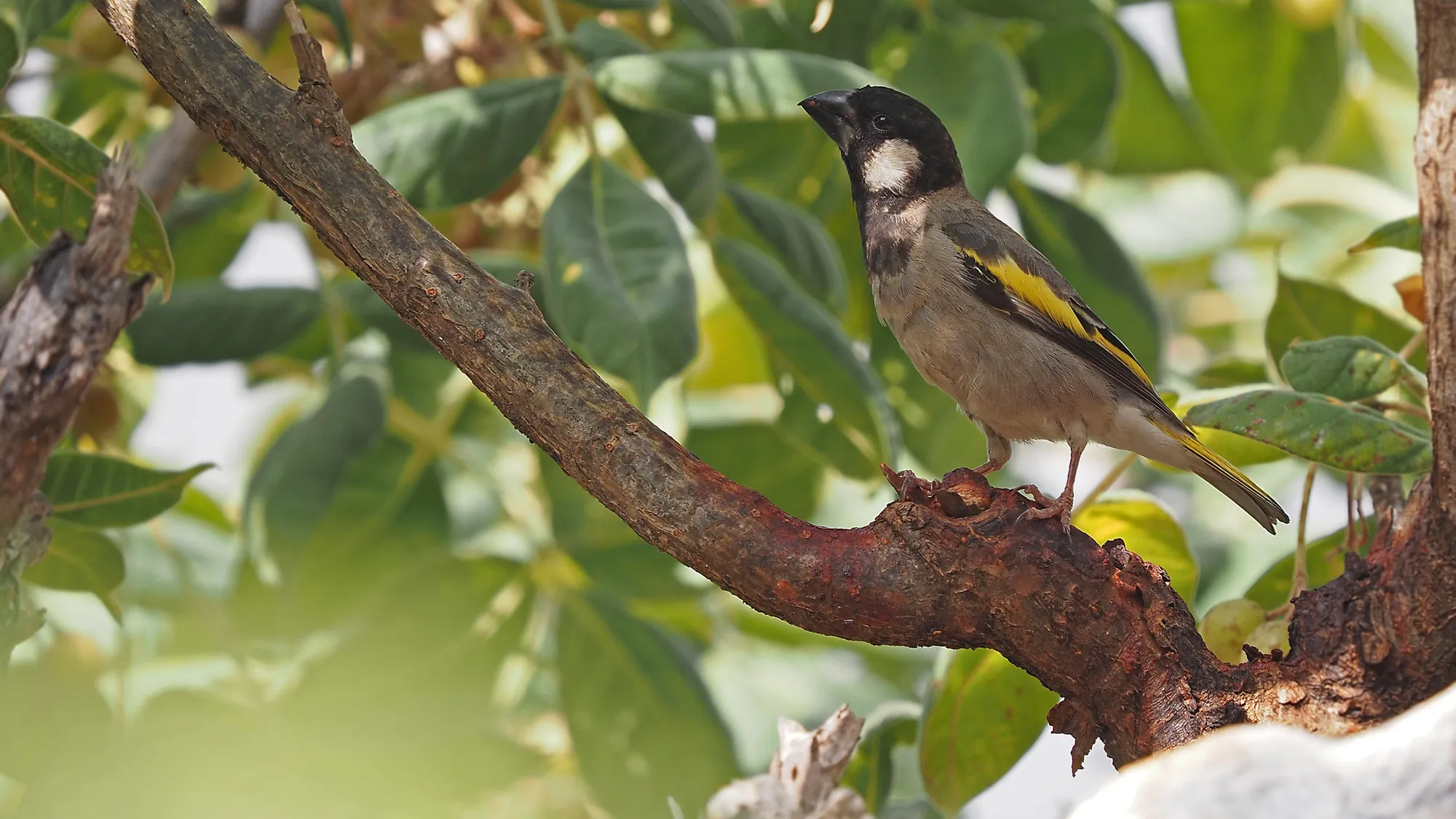
Birding on Socotra: The 11 Endemic Birds and Where to See Them
Eleven bird species live only on the Socotra archipelago. Where to look for them, the one standard trips cannot reach, and how each is doing on the Red List.
Por TiS Authors8 min de lectura
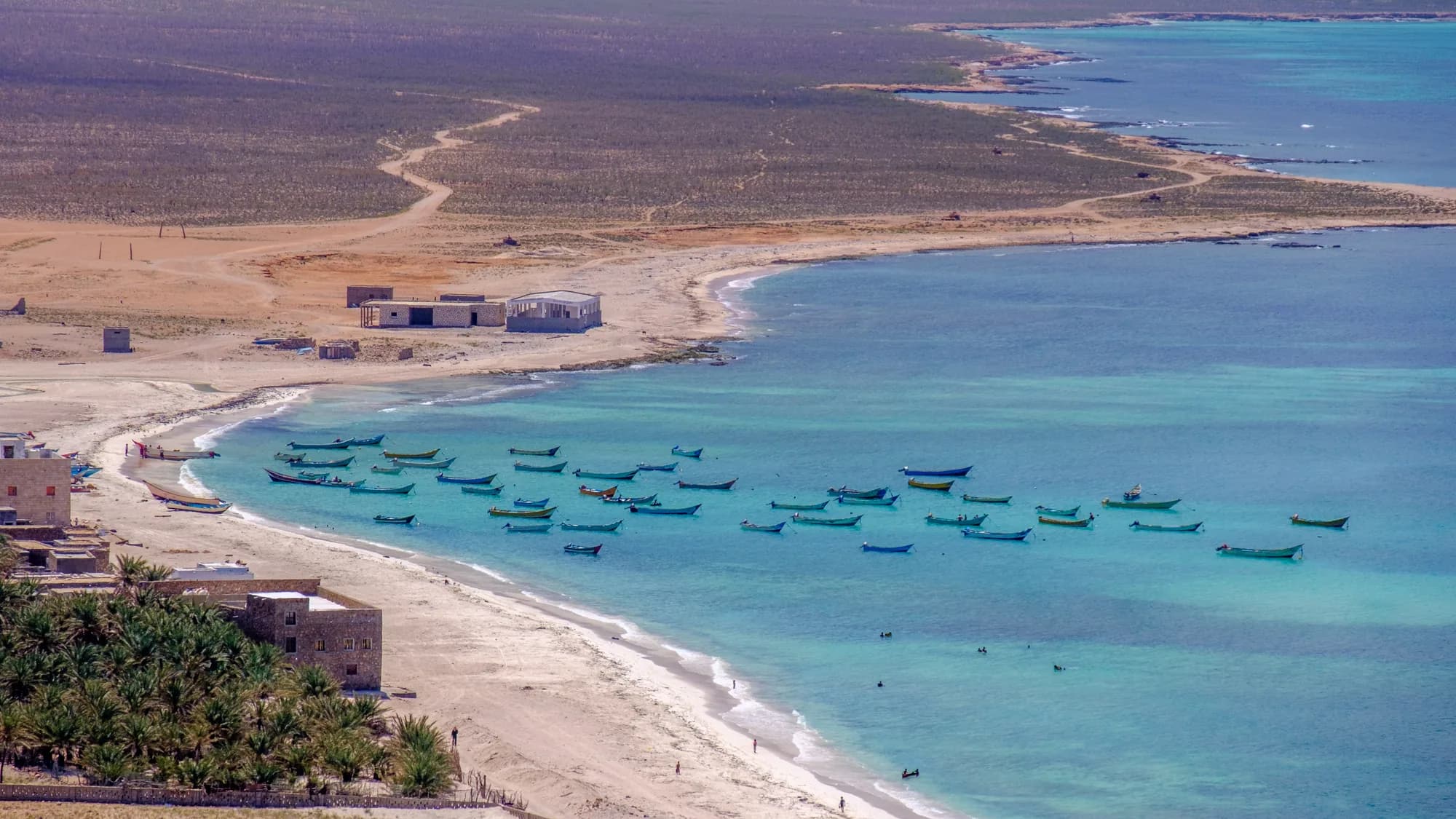
How to Get to Socotra in 2026–27: The Jeddah Flight, and Every Other Route
One direct international flight reaches Socotra, and even its timetable is disputed. The Jeddah flight as filed, what Yemenia has and has not confirmed, what it costs, and what became of the other routes.
Por TiS Authors9 min de lectura
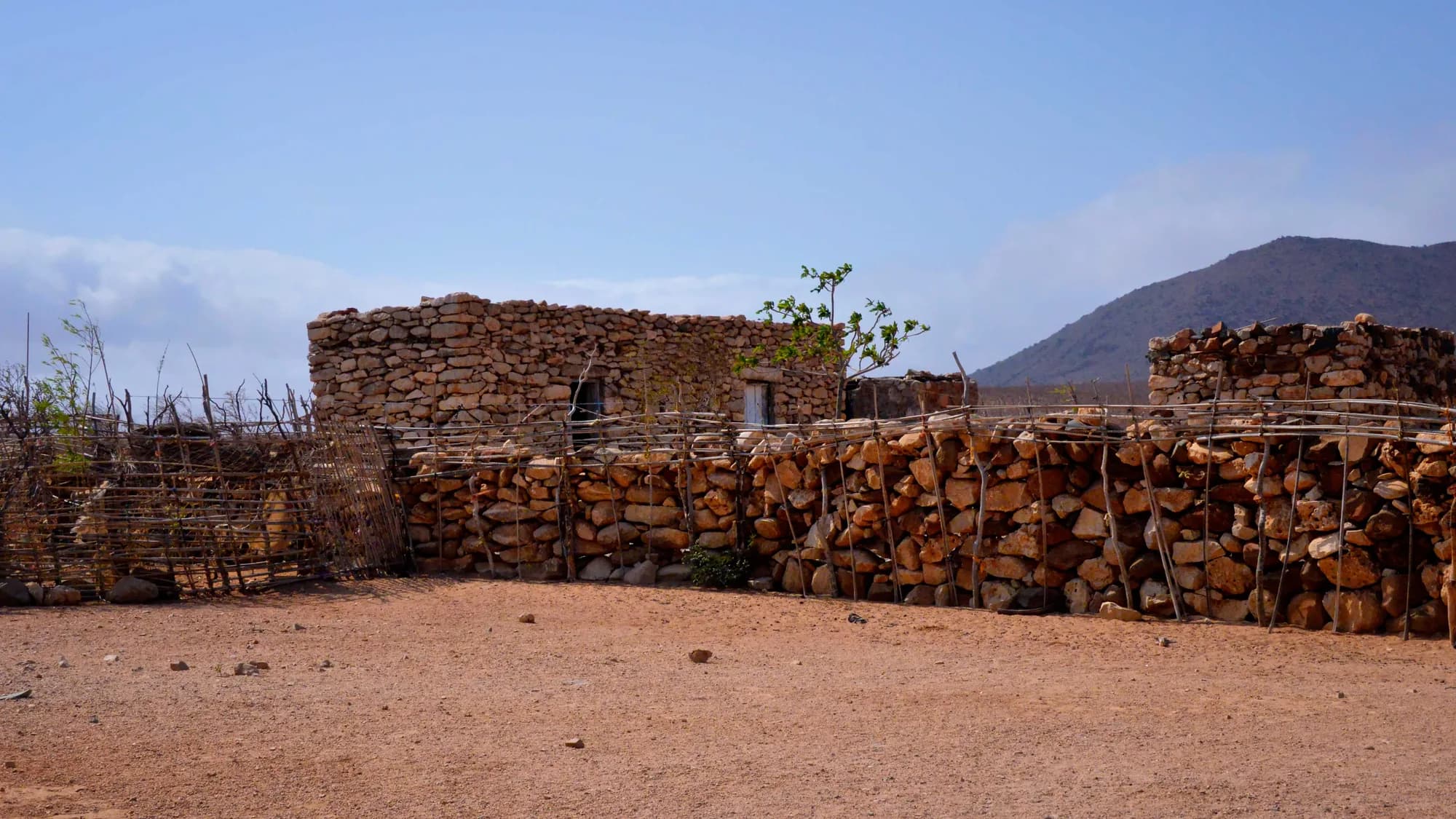
Socotra Permit and Entry, 2026–27: It Is Not a Yemen Visa
Every Socotra trip runs on a permit your operator arranges, while governments describe a different document altogether. What the permit is, what it costs, who issues it, and the distinction almost nobody writes down.
Por TiS Authors8 min de lectura