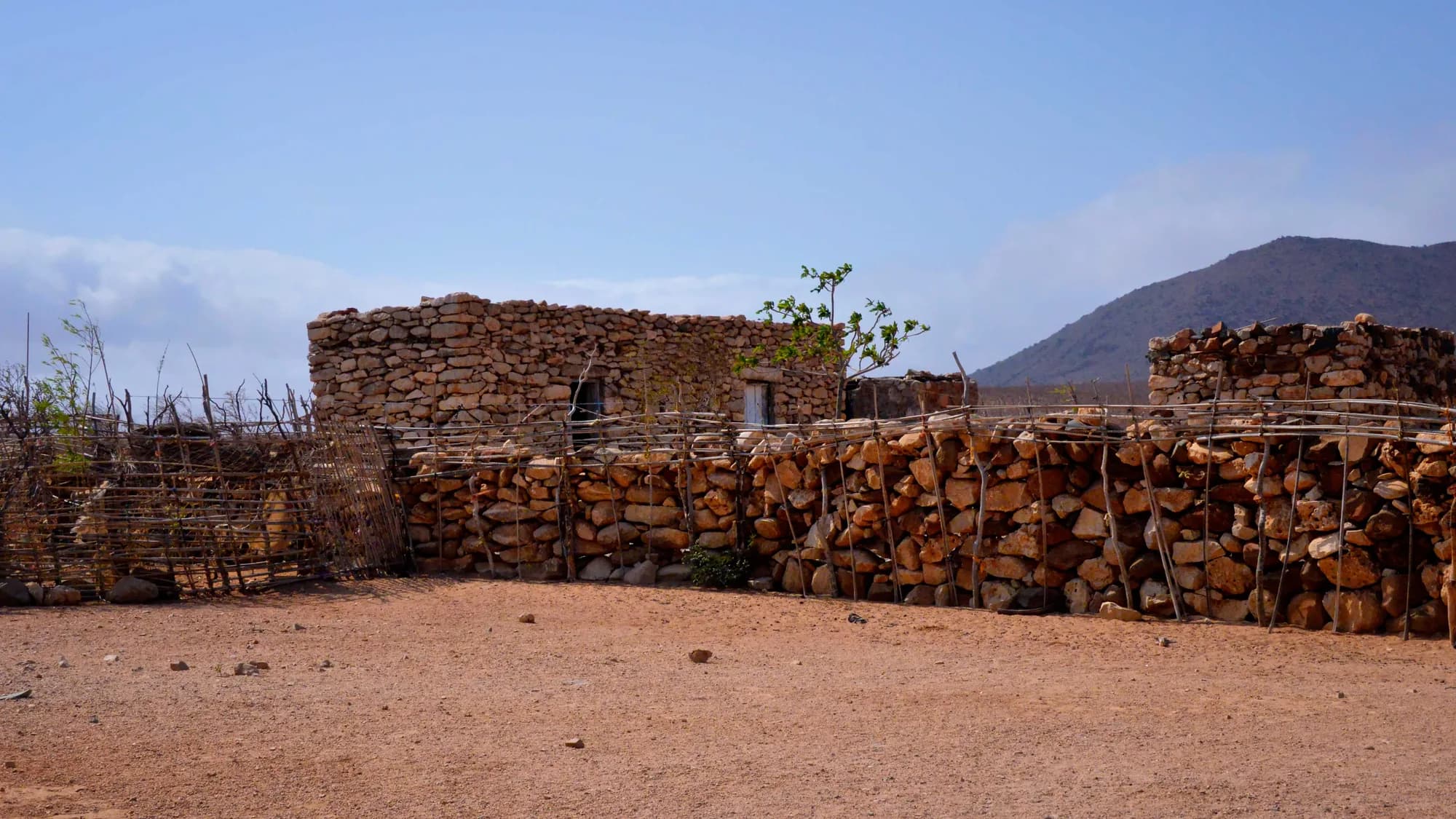
 Rod Waddington from Kergunyah, Australia · CC BY-SA 2.0
Socotra è sicura? La risposta onesta, con le fonti
Chi c'è stato descrive Socotra come un'isola tranquilla, con pochissima criminalità e senza la presenza armata che caratterizza lo Yemen continentale. L'isola però fa legalmente parte dello Yemen, e tutti i principali governi occidentali sconsigliano qualsiasi viaggio nel Paese. Ne derivano due conseguenze che non hanno nulla a che vedere con l'isola in sé: la maggior parte delle assicurazioni di viaggio più diffuse esclude lo Yemen, e una visita ti fa perdere il diritto di usare il programma statunitense di esenzione dal visto (ESTA).
La risposta onesta ha due metà, e la maggior parte delle pagine che troverai te ne dà soltanto una.
La metà che ti raccontano gli operatori: Socotra è tranquilla. La criminalità contro i visitatori è quasi sconosciuta, non c'è una presenza armata del tipo che caratterizza lo Yemen continentale, e i viaggiatori tornano descrivendo i socotrani come tra le persone più ospitali mai incontrate. L'isola si trova a diverse centinaia di chilometri al largo, nel Mar Arabico, e la guerra non si combatte lì.
La metà che omettono: legalmente è parte dello Yemen, tutti i principali governi occidentali sconsigliano qualsiasi viaggio lì, e questo ha per te due conseguenze precise che non hanno nulla a che vedere con il fatto che sull'isola accada o meno qualcosa.
Cosa dicono davvero gli avvisi di viaggio
Il Foreign Office britannico sconsiglia qualsiasi viaggio in tutto lo Yemen. Non è prevista alcuna eccezione per Socotra, e l'avviso avverte esplicitamente che l'assicurazione di viaggio verrà probabilmente invalidata se si viaggia contro il suo parere.
Il Dipartimento di Stato americano colloca lo Yemen al Livello 4, Do Not Travel, la sua categoria più alta, e nomina specificamente Socotra invece di lasciare margini di ambiguità. Dichiara inoltre che in nessuna parte del Paese sono disponibili servizi consolari.
Sulla malaria le autorità si contraddicono apertamente, e quasi nessuno lo fa notare. Il Ministero federale degli Esteri tedesco descrive un rischio elevato tutto l'anno che comprende Socotra. Il servizio britannico di medicina dei viaggi, NaTHNaC, classifica l'isola a rischio molto basso e consiglia di evitare le punture anziché prendere compresse. I CDC statunitensi non nominano Socotra, ma la loro regola sull'altitudine colloca l'intera isola nella zona di trasmissione dello Yemen, e raccomandano la profilassi. Se leggessi una sola di queste fonti, non sapresti che le altre la contraddicono.
Niente di tutto questo descrive l'isola come una zona di guerra. Descrive un Paese sotto avviso, al quale l'isola appartiene. I governi emettono i loro avvisi a livello di Paese, e Socotra è amministrativamente parte di un Paese in conflitto.
Le due conseguenze di cui nessuno parla
La tua assicurazione probabilmente non ti copre
Questo è il rischio vero, e non è quello di cui la gente si preoccupa.
La maggior parte delle polizze di viaggio tradizionali esclude lo Yemen in blocco. Peggio ancora: un assicuratore che gli operatori raccomandano regolarmente ai clienti diretti a Socotra nomina lo Yemen nell'elenco delle destinazioni mai coperte, nel testo stesso della propria polizza. Ci sono viaggiatori che hanno comprato quella polizza credendosi assicurati per una destinazione che il documento esclude.
Un altro fornitore di evacuazioni mediche spesso suggerito esclude il rischio di guerra quando le circostanze sono cominciate prima dell'inizio del viaggio — il che, comunque lo si legga, include lo Yemen, dato che la guerra è precedente alla prenotazione di qualunque viaggiatore attuale.
Due broker specializzati in destinazioni ad alto rischio prendono in considerazione lo Yemen, e uno dei due nomina Socotra sul proprio sito. Nota però cosa dichiara quello stesso broker: nessuna copertura di guerra sui viaggi di piacere. Quindi anche una polizza effettivamente acquistabile può escludere proprio il rischio che caratterizza la regione.
Cosa fare: chiedi il testo effettivo della polizza, trova la clausola delle esclusioni territoriali e leggi se lo Yemen vi è nominato. Non accontentarti di una pagina di marketing o della rassicurazione verbale di un broker. Se ti stai affidando a una polizza che esclude lo Yemen, stai viaggiando senza assicurazione, e dovresti saperlo — non scoprirlo.
Visitare lo Yemen ti fa perdere l'esenzione dal visto USA
In base al Visa Waiver Program statunitense, la presenza in Yemen a partire dal 1° marzo 2011 ti rende non idoneo all'ESTA. Lo Yemen è sulla stessa lista di Iraq, Siria, Iran, Sudan, Libia e Somalia — quindi, se sei stato in uno di questi Paesi dal 2011 in poi, la cosa potrebbe già riguardarti.
Se hai il passaporto di uno degli oltre quaranta Paesi aderenti al programma di esenzione e prevedi di visitare gli Stati Uniti in seguito, l'alternativa è un visto rilasciato da un'ambasciata o da un consolato USA: un colloquio, una tariffa e un'attesa. Esistono casi documentati di viaggiatori che hanno rimandato Socotra esattamente per questa ragione.
C'è una precisazione che vale la pena conoscere. Il Department of Homeland Security può concedere una deroga alla restrizione quando giudica, caso per caso, che sia nell'interesse delle forze dell'ordine o della sicurezza nazionale statunitensi. Non si presenta una domanda separata: la valutazione avviene all'interno della stessa richiesta ESTA. Esistono eccezioni distinte per il servizio militare e gli incarichi governativi ufficiali. Niente di tutto questo è qualcosa su cui contare, e vale la pena verificare le regole in vigore sul sito della CBP prima di prenotare, non dopo.
Nessuno di quelli che vendono viaggi a Socotra menziona nulla di tutto questo. Non è un'informazione nascosta; semplicemente, sollevarla non è nell'interesse di nessuno.
L'assistenza medica, onestamente
L'ospedale Sheikh Khalifa Bin Zayed è la struttura principale dell'isola, costruita e finanziata dagli Emirati Arabi Uniti — che ne hanno interrotto i servizi e ritirato il personale nel gennaio 2026, prima che un programma di ricostruzione saudita si facesse carico dei costi di gestione nel febbraio successivo. A settembre 2026 la struttura è stata confermata aperta, con il governatore a segnalare l'instabilità della corrente elettrica come un rischio per la continuità delle cure.
Che cosa sia effettivamente in grado di trattare oggi non è documentato pubblicamente. Chirurgia, terapia intensiva, scorte di sangue, diagnostica per immagini e ostetricia: per il 2026 sono tutte incognite.
Pianifica partendo dal presupposto che qualunque cosa seria significhi lasciare l'isola. Poi tieni presente che nessuna evacuazione medica da Socotra risulta documentata pubblicamente come effettivamente avvenuta. La pista può accogliere un'aeroambulanza. Oltre a questo, il percorso sulla carta non esiste.
Porta un vero kit di pronto soccorso, porta in quantità sufficiente qualsiasi farmaco da cui dipendi e chiedi un consulto sulla malaria in un ambulatorio di medicina dei viaggi prima di partire.
Rimanere bloccati
Non è un'ipotesi teorica. Proprio all'inizio di gennaio 2026 l'aeroporto ha chiuso e diverse centinaia di turisti sono rimasti bloccati sull'isola per circa una settimana. L'Italia ha organizzato un ponte aereo per i propri cittadini.
I voli operano all'incirca una volta a settimana. Questo significa che una rotazione persa o cancellata costa giorni, non ore, e una chiusura costa quanto dura la chiusura stessa. Prevedi del margine in qualsiasi spostamento successivo e non prenotare una coincidenza internazionale ravvicinata per il giorno del rientro previsto.
Chiedi al tuo operatore, per iscritto, cosa succede se il volo non arriva: chi paga le notti extra e qual è la sua posizione sui rimborsi. Le risposte variano, e un operatore che ci ha già riflettuto ti sta dicendo qualcosa di utile.
Cosa è davvero a basso rischio
Dopo aver esposto i problemi reali, vale la pena essere altrettanto chiari su cosa non lo è.
La criminalità violenta contro i visitatori è quasi sconosciuta. I furti sono rari. Non c'è un rischio di rapimento del tipo che orienta gli avvisi sullo Yemen continentale. I viaggiatori raccontano abitualmente di aver lasciato i propri effetti personali incustoditi senza alcun incidente.
I rischi di tutti i giorni sono i normali rischi dei viaggi d'avventura: un incidente in auto su piste accidentate, una caduta sul calcare, la disidratazione, le scottature, la puntura di un animale marino. Sono le cose che più probabilmente incideranno sul tuo viaggio, e sono quelle di cui gli avvisi si preoccupano meno.
Quindi, dovresti andarci?
La decisione è tua, e dovrebbe essere informata, non rassicurata.
Quello che diremmo senza giri di parole: l'isola in sé è tranquilla, e le ragioni per essere prudenti sono amministrative più che fisiche. L'esposizione è questa: probabilmente non sei assicurato, la capacità medica è sconosciuta, l'evacuazione non è documentata, un'interruzione dei voli costa cara e l'esenzione dal visto USA va persa.
Se vai, vacci dopo aver letto il testo della tua polizza, non dopo esserti sentito dire che va tutto bene.
Per cosa comporta il viaggio sul piano pratico, vedi il campeggio a Socotra. Per la stagione e la finestra dei voli, vedi i nostri pacchetti di spedizione, e per lo status di protezione dell'isola e il quadro della conservazione, la flora endemica.
Perché gli avvisi e l'esperienza divergono così tanto
Vale la pena capire perché un luogo che i viaggiatori descrivono come pacifico porti lo stesso avviso di una zona di guerra, perché è proprio questo scarto a confondere le persone fino a far loro ignorare del tutto gli avvisi.
Gli avvisi di viaggio governativi vengono emessi per Paese. Lo Yemen è un solo Paese con un solo avviso, e Socotra si trova a circa 350 chilometri al largo di una terraferma dove un conflitto serio va avanti da un decennio. L'avviso è accurato riguardo allo Yemen. Non è un'affermazione che sull'isola si stia combattendo.
La seconda ragione è la capacità consolare. Gli avvisi riflettono non solo il pericolo, ma anche la possibilità o meno che un governo ti aiuti. In Yemen non c'è alcuna presenza diplomatica britannica o americana. Se qualcosa va storto a Socotra, non c'è un consolato da chiamare, nessuna evacuazione che la tua ambasciata organizzerà, nessun funzionario che possa intervenire presso le autorità locali. Questo da solo giustifica un livello di avviso alto, a prescindere dal tasso di criminalità.
Quindi l'avviso non è sbagliato e i viaggiatori non mentono. Descrivono cose diverse: l'uno descrive un Paese e una struttura di supporto, gli altri descrivono una settimana su un'isola.
Precauzioni pratiche che contano davvero
Scegli l'operatore con cura. A Socotra tutto passa da lui: il tuo permesso, il tuo posto sul volo, il tuo veicolo, il tuo staff, il tuo cibo e, se si arriva a tanto, la tua evacuazione. Cerca operatori con una storia documentata alle spalle e guide citate per nome nelle recensioni, e chiedi che cosa è successo ai loro clienti nel gennaio 2026.
Porta con te più contanti del necessario, in dollari USA in banconote pulite e integre. Non ci sono bancomat e le carte non sono accettate. Rimanere a corto di soldi a Socotra non è un contrattempo che puoi risolvere sul posto.
Chiedi un consulto sulla malaria prima di partire. Le autorità sanitarie non sono d'accordo su quanto sia alto il rischio sull'isola, ed è proprio per questo che merita una conversazione con un medico dei viaggi anziché un'ipotesi.
Mantieni il margine al ritorno. Due o tre giorni tra il tuo volo da Socotra e qualsiasi coincidenza internazionale successiva trasformano un blocco da crisi a seccatura.
Comunica a qualcuno il tuo itinerario, compresi quali campi e quali notti, e accetta che per alcuni tratti del viaggio sarai irraggiungibile.
Cosa non sappiamo
Tre cose restano davvero aperte, e preferiamo segnalarle piuttosto che mascherarle.
Che cosa l'ospedale sia attualmente in grado di trattare. Se un'evacuazione medica da Socotra sia concretamente organizzabile, e in quanto tempo. E se, in pratica, un assicuratore pagherà un sinistro relativo a Socotra, dato che i testi delle polizze suggeriscono che la maggior parte rifiuterebbe e non esiste alcuna traccia pubblica di un sinistro messo alla prova.
Se anche solo una di queste tre cose pesa sulla tua decisione, sono domande da porre per iscritto al tuo operatore e al tuo assicuratore prima di prenotare — e una risposta vaga va trattata come una risposta.
Parla con una persona reale — gratis
Seif e il team rispondono su WhatsApp — domande di viaggio, piani su misura e aiuto per la prenotazione.
Chiedi a Seif su WhatsAppDomande frequenti
Socotra è sicura da visitare?
I viaggiatori la descrivono costantemente come tranquilla, con una criminalità molto bassa e nessuna presenza armata del tipo presente nello Yemen continentale. Ma legalmente fa parte dello Yemen, tutti i principali governi occidentali sconsigliano qualsiasi viaggio nell'intero Paese, isola compresa, e quell'avviso ha conseguenze per la tua assicurazione e per i visti dei tuoi viaggi successivi. Entrambe le cose sono vere, e dovresti decidere conoscendole entrambe.
Cosa dicono davvero gli avvisi di viaggio?
Il Foreign Office britannico sconsiglia qualsiasi viaggio in tutto lo Yemen e avverte che l'assicurazione di viaggio potrebbe essere invalidata. Il Dipartimento di Stato americano classifica lo Yemen al Livello 4, Do Not Travel, e nomina esplicitamente Socotra. Nessuno dei due governi prevede un'eccezione per l'isola, e non è disponibile alcuna assistenza consolare.
I combattimenti sono vicini a Socotra?
No. L'isola si trova a circa 350–380 km al largo del Corno d'Africa e a diverse centinaia di chilometri dallo Yemen continentale. Il conflitto della terraferma non si combatte a Socotra, e i viaggiatori non riferiscono di un ambiente armato o militarizzato sull'isola.
Posso ottenere un'assicurazione di viaggio per Socotra?
È questo il vero problema. La maggior parte delle polizze tradizionali esclude lo Yemen, e almeno un assicuratore ampiamente raccomandato per Socotra nomina lo Yemen nell'elenco delle destinazioni mai coperte nel testo stesso della propria polizza. Due broker specializzati prendono in considerazione lo Yemen, ma almeno uno dei due esclude il rischio di guerra sui viaggi di piacere. Leggi il testo effettivo della polizza, non la pagina di marketing.
Visitare lo Yemen incide sulla mia esenzione dal visto USA?
Sì, e coglie molti di sorpresa. In base alle regole del Visa Waiver Program statunitense, la presenza in Yemen a partire dal 1° marzo 2011 elimina l'idoneità all'ESTA — lo Yemen è sulla stessa lista di Iraq, Siria, Iran, Sudan, Libia e Somalia. L'alternativa è un visto rilasciato da un'ambasciata o da un consolato USA. Il DHS può concedere una deroga alla restrizione caso per caso nell'interesse delle forze dell'ordine o della sicurezza nazionale statunitensi — la valutazione avviene all'interno della stessa richiesta ESTA, senza una domanda separata — ma non è qualcosa su cui fare affidamento. Verifica le indicazioni aggiornate della CBP prima di prenotare.
Quale assistenza medica è disponibile?
Limitata. L'ospedale principale dell'isola ha chiuso nel gennaio 2026, quando i finanziamenti emiratini sono stati ritirati, ed è passato sotto finanziamento saudita nel febbraio 2026. Che cosa sia attualmente in grado di trattare non è documentato pubblicamente. Parti dal presupposto che qualsiasi cosa seria richieda l'evacuazione, e che nessuna evacuazione medica da Socotra risulta documentata pubblicamente.
Potrei rimanere bloccato?
È già successo. Quando l'aeroporto ha chiuso all'inizio di gennaio 2026, diverse centinaia di turisti sono rimasti bloccati sull'isola per circa una settimana. I voli operano all'incirca una volta a settimana, quindi qualsiasi interruzione costa giorni, non ore. Chiedi al tuo operatore, per iscritto, cosa succede e chi paga se il volo non arriva.
È sicura per le donne che viaggiano da sole?
Le viaggiatrici la descrivono come un'esperienza in cui ci si sente a proprio agio, con uno staff rispettoso e un livello di molestie molto basso rispetto a gran parte della regione. Socotra è una società musulmana conservatrice, quindi vestiti con modestia. Se preferisci non essere l'unica donna con uno staff interamente maschile, dillo quando chiedi informazioni.
Continua a leggere
Socotra Permit and Entry, 2026–27: It Is Not a Yemen Visa
Every Socotra trip runs on a permit your operator arranges, while governments describe a different document altogether. What the permit is, what it costs, who issues it, and the distinction almost nobody writes down.
Di TiS Authors8 min di lettura
Assicurazione di viaggio e salute per Socotra: cosa è davvero coperto
Una polizza ampiamente raccomandata nomina lo Yemen nella propria lista di esclusioni. Non risulta documentata alcuna evacuazione medica mai avvenuta da Socotra. Ciò che abbiamo potuto verificare, e ciò che nessuno pubblica.
Di TiS Authors10 min di lettura

Quando andare a Socotra: la stagione, mese per mese
Socotra chiude per un terzo dell'anno. Quando la stagione apre e chiude, quali mesi si prestano a cosa, e perché il calendario dei voli conta più del meteo.
Di TiS Authors8 min di lettura