Campeggiare a Socotra: come sono davvero i campi
Quasi tutti quelli che vanno a Socotra dormono in tenda: gli hotel sono quasi tutti a Hadibo, e stare lì significa circa due ore di macchina all'andata e altrettante al ritorno per la maggior parte dei posti. Tende, materassini, biancheria e tutti i pasti li fornisce di norma l'operatore. Quasi nessuno pubblica nulla sui servizi; bagni e docce in comune sono documentati a Dihamri, Detwah, Homhil, Amaq e in un eco-lodge vicino a Hadibo, quindi chiedi dei campi specifici del tuo itinerario.
Campeggiare a Socotra non è l'opzione avventurosa. È quella normale.
La cosa sorprende, perché sulla maggior parte delle isole la tenda è una scelta da viaggiatori con un budget limitato. Qui il calcolo è diverso. Gli hotel si concentrano quasi tutti a Hadibo, sulla costa nord, e i luoghi che vale la pena vedere sono sparsi in un territorio con due strade asfaltate. Fare base in hotel significa guidare circa due ore all'andata e due al ritorno, ogni giorno, su piste dove si procede lentamente. È il campeggio a rendere l'isola percorribile.
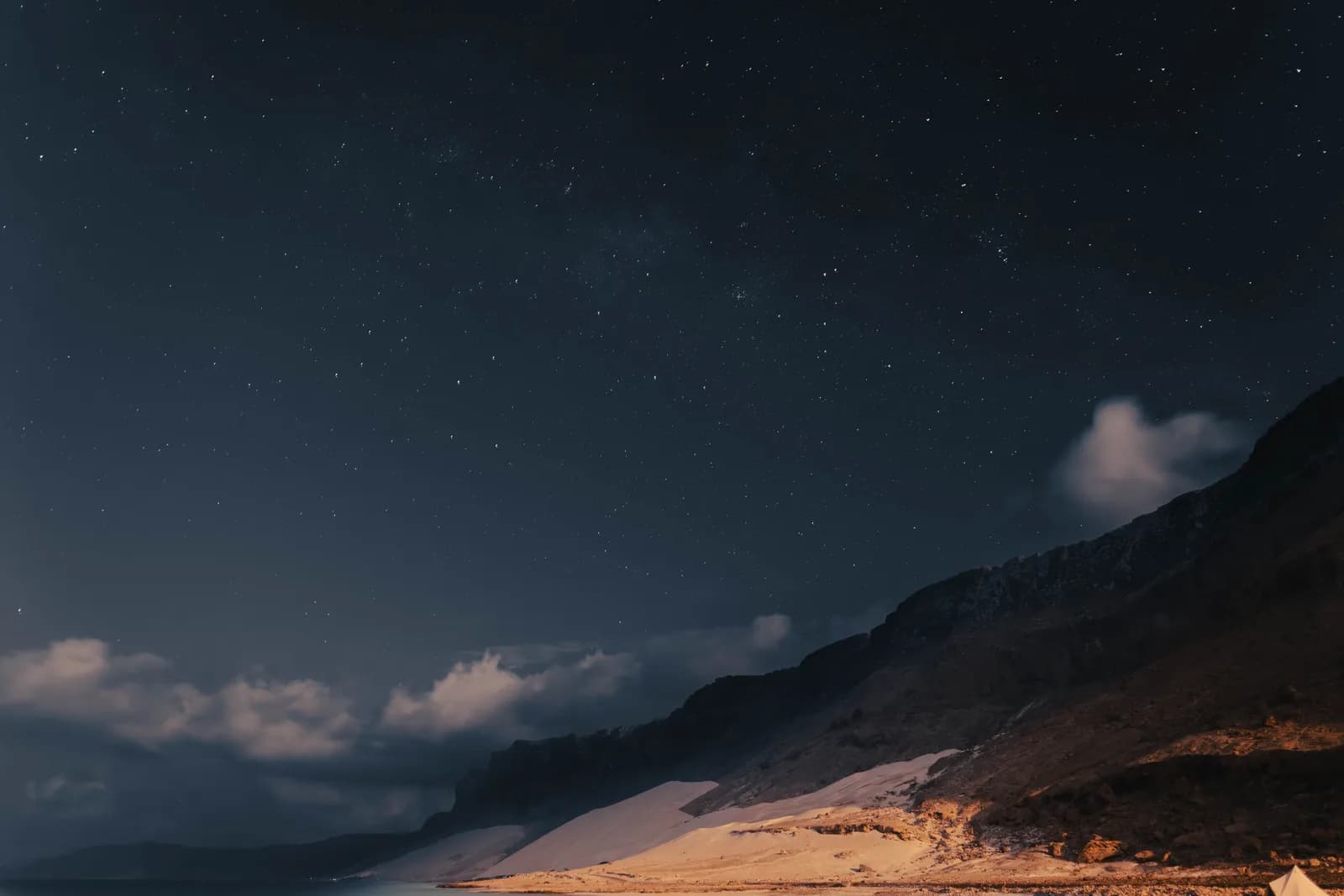
Ed è anche, a detta di quasi tutti, l'esperienza migliore. Il buio di Socotra è buio davvero.
Le tre formule
Il campo itinerante è lo standard. La squadra monta il campo in un posto diverso ogni notte, seguendo il circuito dell'isola: una spiaggia, un altopiano, una laguna. Non resti mai a lungo nello stesso posto, ed è la formula con cui si vede di più.
I campi fissi significano dormire in due o tre siti stabili, usando ciascuno come base per le uscite in macchina. Ci sono campi permanenti a Firmihin, Arher e Detwah, e sono più comodi: vere strutture in tela, energia solare, in alcuni casi letti veri. Smonti meno e guidi di più.
La base in hotel è possibile e per lo più sconsigliata. Ti dà un bagno privato al costo di quattro ore in macchina quasi tutti i giorni.
Cosa viene fornito davvero
Per un viaggio in campeggio standard, aspettati che l'operatore fornisca tende, materassini, biancheria da letto, tutti i pasti preparati dal cuoco della squadra, acqua potabile e il 4x4 con autista che trasporta tutto. Tu porti vestiti, una torcia, un power bank e l'attrezzatura personale.
Questa è la norma, non una garanzia. Un piccolo numero di itinerari più economici prevede che il sacco a pelo lo porti tu, e la differenza non si capisce sempre dal prezzo. Chiedi.
La questione dei servizi, con una risposta onesta
È la cosa che le persone vogliono davvero sapere, ed è quella che il mercato è meno disposto a dire.
La maggior parte degli operatori di Socotra non pubblica assolutamente nulla sui servizi dei campi. Dove qualcosa viene pubblicato, i resoconti si contraddicono. Quindi, invece di darti un riepilogo sicuro di sé che sarebbe in parte inventato, ecco cosa si può confermare e cosa no.
Bagni e docce in comune confermati: Dihamri, nell'area marina protetta della costa nord. Detwah, vicino a Qalansiyah. Homhil, sull'altopiano. L'eco-lodge di Adeeb vicino a Hadibo, che è un lodge più che un campo e ha bagni in comune.
Non pubblicato da nessuno: Arher, Firmihin, Diksam, Skand, Amak e Rosh. Non significa che i servizi non ci siano. Significa che nessuno lo dichiara, e noi non tireremo a indovinare al posto tuo.
I campi fissi di lusso a Firmihin, Arher e Detwah pubblicizzano tende-bagno in tela, docce a cielo aperto o in tela, un generatore solare con riserva a carburante e una zona pranzo allestita per otto-dieci persone. Pubblicato come supplemento di listino: circa USD 1.150 in occupazione singola e USD 1.850 in doppia oltre al prezzo del viaggio. Sia i servizi sia la cifra vengono da un unico operatore, quindi trattali come indicativi finché il tuo non li conferma per iscritto.
Sulla connettività, sii scettico. Un operatore pubblicizza Starlink in questi campi. Altri tre, che vendono campi di lusso sostanzialmente simili negli stessi luoghi, descrivono illuminazione solare, candele, lampade a olio e fuochi — e uno dichiara esplicitamente che non c'è altro. Nessuna recensione, fotografia o resoconto indipendente lo conferma come dotazione stabile di alcun campo. Ciò che è meglio documentato è che i terminali satellitari portati dagli operatori sull'isola funzionano davvero, a intermittenza — quindi è un servizio che alcune squadre possono offrire, non qualcosa che un campo possiede.
Quanto al cellulare: la rete che i viaggiatori segnalano come effettivamente funzionante è Etisalat, che è il gestore emiratino e non uno yemenita, e anche quella è discontinua lontano dai centri abitati. Pianifica di non avere connettività, chiedi esplicitamente al tuo operatore se un terminale viaggia con il gruppo e considera un bonus qualsiasi cosa funzioni.
Dove un campo non ha servizi, la soluzione è una pala e una camminata. Vale la pena saperlo prima di arrivare, non dopo.
Cosa chiedere prima di prenotare
Quattro domande, e vale la pena farle per iscritto:
- In quali campi precisi dormirò, per nome, in quali notti? Gli itinerari spesso indicano le regioni, non i siti.
- In ciascuno di questi, ci sono bagno e doccia? Non un generico «i campi hanno i servizi?».
- Cosa viene fornito e cosa porto io? In particolare il sacco a pelo.
- C'è modo di ricaricare? Se fotografi, la risposta determina quante batterie portare.
Un operatore che risponde con chiarezza ti sta dicendo qualcosa di utile su come gestisce i viaggi.
Attrezzatura pratica
Una torcia frontale conta più di qualsiasi altra cosa in questa lista. Non c'è illuminazione da nessuna parte, il terreno è irregolare e vorrai avere le mani libere.
Un power bank grande, più grande di quanto sembri ragionevole. Le occasioni di ricarica sono rare e l'isola va avanti a contanti e macchine fotografiche.
Salviette umidificate e un asciugamano ad asciugatura rapida, che insieme risolvono buona parte del problema doccia.
Un pile e uno strato antivento. La costa di notte è calda. Gli altopiani, in particolare attorno a Firmihin e Diksam, no, e il vento in quota è costante.
Sandali più scarpe vere. Nella stessa giornata entrerai e uscirai dall'acqua e poi camminerai su calcare tagliente.
Contanti in dollari americani, in buone condizioni. Sull'isola non ci sono bancomat funzionanti e nessuno accetta carte, e le banconote usurate o strappate vengono rifiutate. Questo coglie di sorpresa più persone del campeggio stesso.
Le notti
Il motivo per cui si continua a tornare su questo punto è il cielo. Socotra non ha quasi inquinamento luminoso e in stagione ha pochissima umidità, e i campi della costa sud in particolare si sono fatti una reputazione in merito. Se hai un minimo interesse a fotografare le stelle, questo è il posto per cui aver portato l'obiettivo giusto.
Ad Arher dormi tra una duna di duecento metri e il mare, con un ruscello d'acqua dolce che scorre alla sua base. A Firmihin gli alberi del sangue di drago si stagliano contro la Via Lattea, ed è la fotografia che vende l'isola. A Detwah ti svegli sulla sabbia bianca accanto a una laguna turchese poco profonda.
Di nessuno di questi campi possiamo confermare una doccia. Le due cose sono vere insieme, e dovresti saperle entrambe.
Stagione e comfort
Il campeggio è rilevante solo da ottobre ad aprile, perché il resto dell'anno l'isola è di fatto chiusa: il monsone di sud-ovest porta venti abbastanza forti da rendere le tende impossibili e i voli inaffidabili.
All'interno della stagione, i mesi di spalla sono più freschi di notte e il pieno inverno è il periodo più confortevole per dormire. Verso la fine della stagione le giornate diventano abbastanza calde da rendere l'ombra nelle ore centrali una considerazione concreta.
Trovi di più sui tempi in quando andare, e i campi stessi si trovano lungo gli itinerari standard descritti in campeggio.
Chi gestisce i campi
Il campo non è un'attività che prenoti. È la squadra del tuo operatore, e a Socotra quella squadra è di solito fatta di tre o quattro persone: un autista che fa anche da fixer, una guida e un cuoco. Negli itinerari di trekking si aggiunge un cammelliere.
Questo conta più di quanto sembri. La qualità di un viaggio a Socotra è quasi interamente la qualità di quelle tre persone, perché tra te e loro non c'è infrastruttura. Non c'è una reception a cui lamentarsi, nessun secondo ristorante, nessun veicolo di riserva. Le recensioni che nominano le singole guide valgono qui più delle recensioni che danno un voto a un'azienda.
E incide anche sui soldi. Le mance vanno direttamente a quella squadra e sono una parte significativa del loro reddito. Le indicazioni pubblicate vanno dai cinquanta-cento dollari circa per l'intero viaggio fino a circa il dieci per cento del prezzo del pacchetto: una forbice abbastanza ampia da rendere più sensato chiedere al tuo operatore cosa sia consuetudine da loro, invece di partire da un numero letto online.
Mangiare
Il cibo si cucina al campo, a gas o sul fuoco, ed è migliore di quanto le circostanze facciano pensare. Aspettati pesce fresco sulla costa, riso, pane piatto, verdure, capra di tanto in tanto e una gran quantità di tè dolce. La frutta compare dove è possibile trasportarla.
Il vegetariano è semplice se segnalato in anticipo. Il vegano è più difficile e richiede un preavviso serio. L'alcol è una domanda che la gente fa, e la risposta onesta è che le fonti si contraddicono su cosa sia permesso portare, quindi non basare i tuoi piani su questo e non dare per scontato che la risposta trovata su un forum sia aggiornata.
L'acqua viene fornita sfusa. Porta una borraccia ricaricabile invece di consumare una confezione di bottigliette di plastica, perché la gestione dei rifiuti sull'isola è limitata e quello che lasci resta lì.
Una nota sul fronte della conservazione
Socotra è un sito Patrimonio Mondiale dell'UNESCO e l'infrastruttura del campeggio è davvero leggera, ed è in buona parte per questo che l'isola ha ancora l'aspetto che ha. Significa anche che l'impatto di ogni visitatore è proporzionalmente visibile.
Porta i rifiuti fuori dall'isola invece di lasciarli al campo, resta sulle piste esistenti e non prelevare materiale vegetale di alcun tipo. La flora endemica è il motivo per cui l'arcipelago è protetto, e alcune delle specie davanti a cui passerai esistono in numeri molto ridotti.
Parla con una persona reale — gratis
Seif e il team rispondono su WhatsApp — domande di viaggio, piani su misura e aiuto per la prenotazione.
Chiedi a Seif su WhatsAppDomande frequenti
Devo per forza campeggiare a Socotra?
In pratica sì, se vuoi vedere l'isola. Ci sono hotel a Hadibo e un itinerario con base in hotel è possibile, ma impone ogni giorno circa due ore di guida all'andata e altrettante al ritorno per raggiungere la maggior parte dei siti. Quasi tutti gli operatori campeggiano.
I campi hanno bagni e docce?
Alcuni sì e altri no, e la maggior parte non pubblica nulla né in un senso né nell'altro. Possiamo confermare servizi in comune a Dihamri, Detwah, Homhil e all'eco-lodge di Adeeb vicino a Hadibo. Per tutto il resto, chiedi al tuo operatore dei campi specifici del tuo itinerario invece di accontentarti di una risposta generica.
Devo portare tenda e sacco a pelo?
Di solito no. Gli operatori forniscono normalmente tende, materassini, biancheria e tutta la cucina. Conferma prima di fare i bagagli, perché ciò che è incluso varia e alcuni itinerari economici prevedono che il sacco a pelo lo porti tu.
C'è elettricità nei campi?
Parti dal presupposto di no. Alcuni campi offrono la ricarica delle batterie e i campi fissi di lusso vanno a energia solare. Porta un power bank grande, e più capacità di quanta pensi ti serva se fotografi.
C'è segnale telefonico o internet?
Parti dal presupposto di no. C'è un segnale mobile discontinuo attorno a Hadibo e Qalansiyah e di fatto niente nei campi. Un operatore pubblicizza Starlink nei suoi tre campi fissi di lusso, ma tre concorrenti che gestiscono campi comparabili negli stessi luoghi descrivono solo illuminazione solare, candele e lampade a olio — uno dice esplicitamente che non c'è altro — e nessun resoconto indipendente ne conferma il funzionamento. Avvisa chi è a casa che sarai offline per la settimana.
Qual è davvero la situazione bagni?
Nei campi con servizi, un blocco in comune, spesso alla turca. Nei campi senza, una pala e distanza dal sito. È in assoluto la cosa che più spesso i viaggiatori avrebbero voluto sapere prima, ed è per questo che qui viene detta chiaramente.
Il campeggio è sicuro per le donne che viaggiano da sole?
I viaggiatori lo descrivono come tranquillo e le squadre come rispettose. Se preferisci non essere l'unica donna con una squadra tutta maschile, dillo quando chiedi informazioni: gli operatori spesso possono abbinare le partenze o organizzare una guida donna, ma solo se richiesto in anticipo.
Quanto fa freddo di notte?
La costa resta calda. Gli altopiani interni, in quota, sono sensibilmente più freschi dopo il tramonto e possono essere ventosi, quindi un pile e uno strato antivento contano anche in una stagione che i più immaginano calda.
Continua a leggere
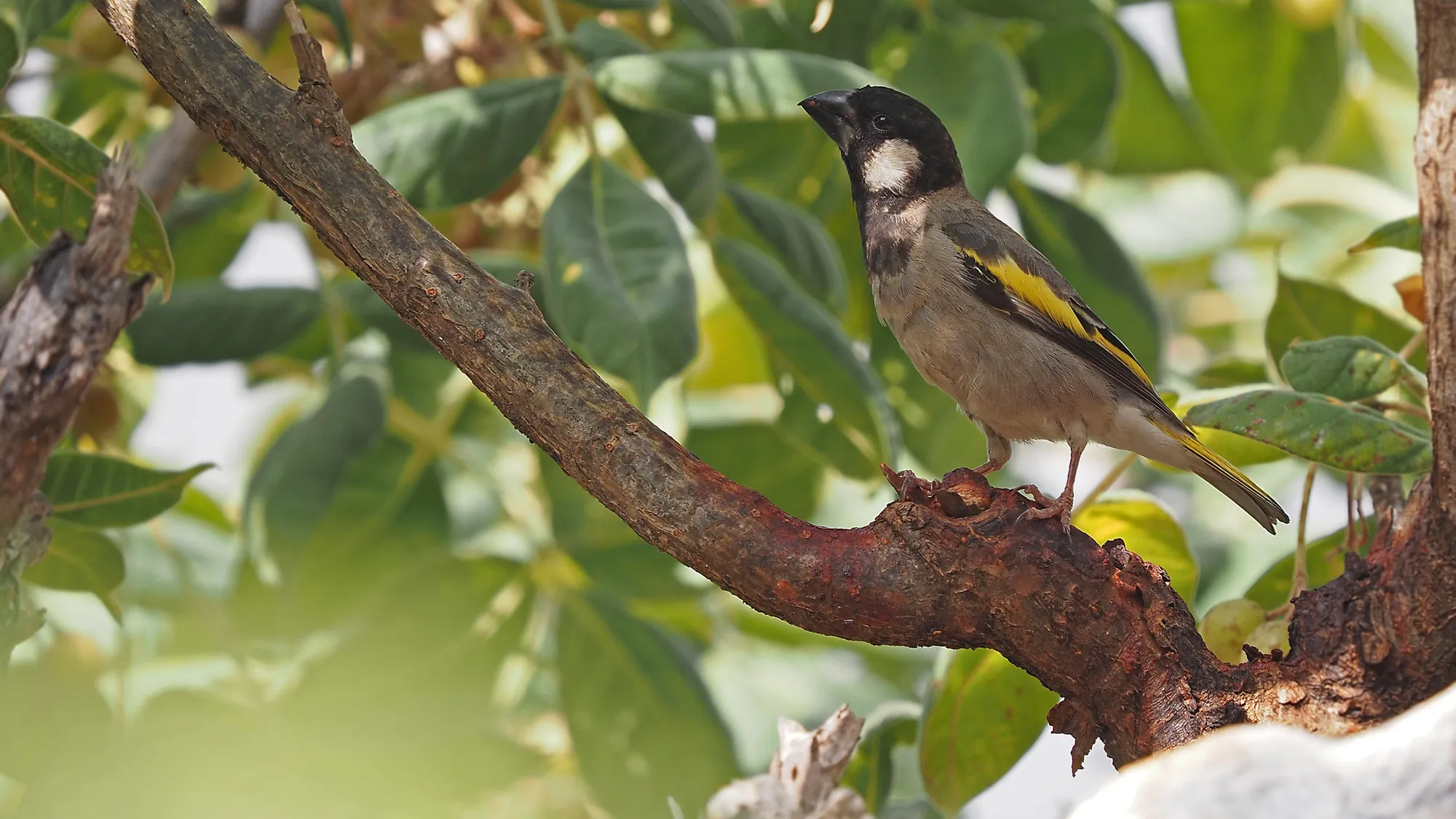
Birding on Socotra: The 11 Endemic Birds and Where to See Them
Eleven bird species live only on the Socotra archipelago. Where to look for them, the one standard trips cannot reach, and how each is doing on the Red List.
Di TiS Authors8 min di lettura
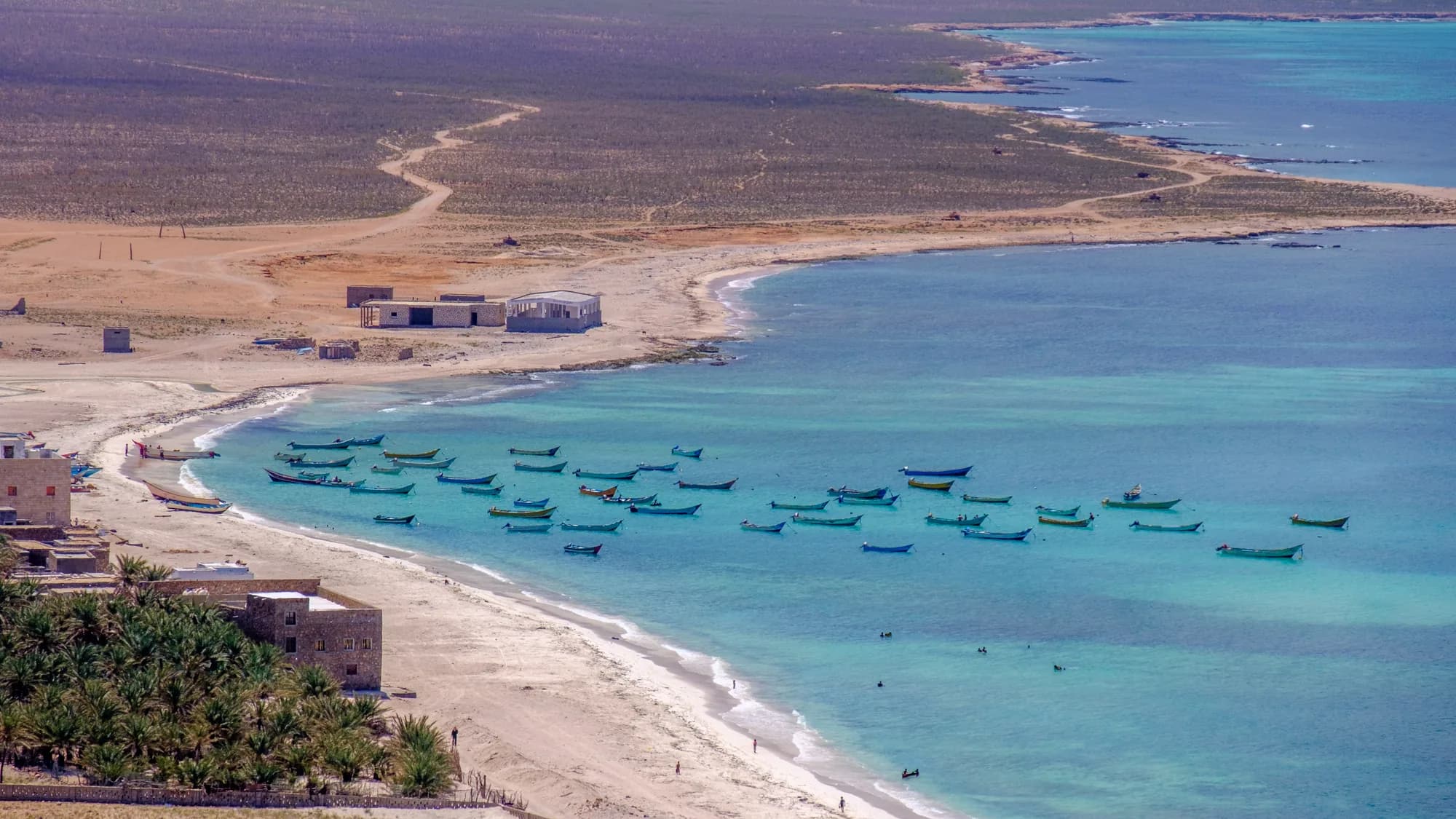
How to Get to Socotra in 2026–27: The Jeddah Flight, and Every Other Route
One direct international flight reaches Socotra, and even its timetable is disputed. The Jeddah flight as filed, what Yemenia has and has not confirmed, what it costs, and what became of the other routes.
Di TiS Authors9 min di lettura
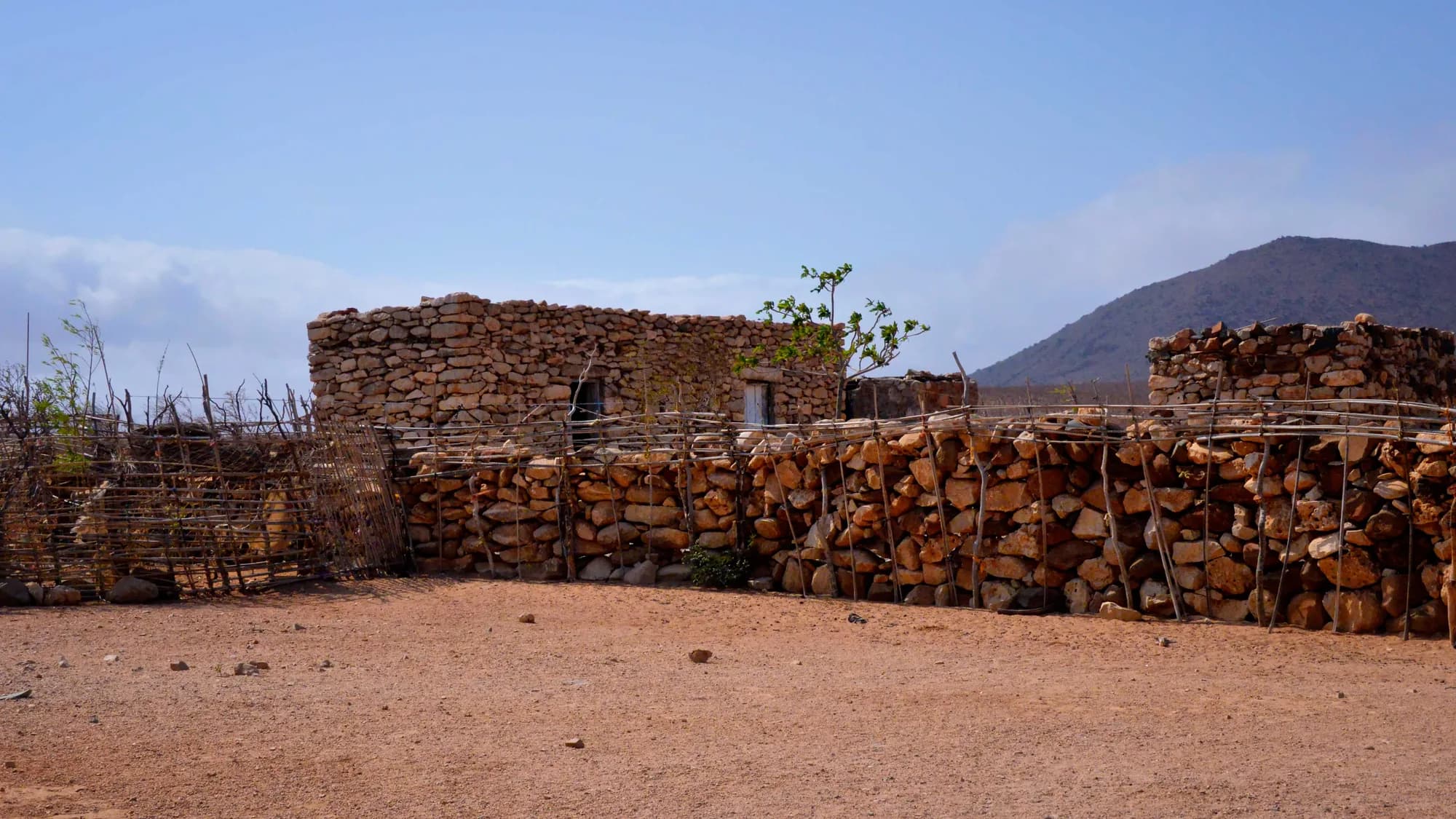
Socotra Permit and Entry, 2026–27: It Is Not a Yemen Visa
Every Socotra trip runs on a permit your operator arranges, while governments describe a different document altogether. What the permit is, what it costs, who issues it, and the distinction almost nobody writes down.
Di TiS Authors8 min di lettura