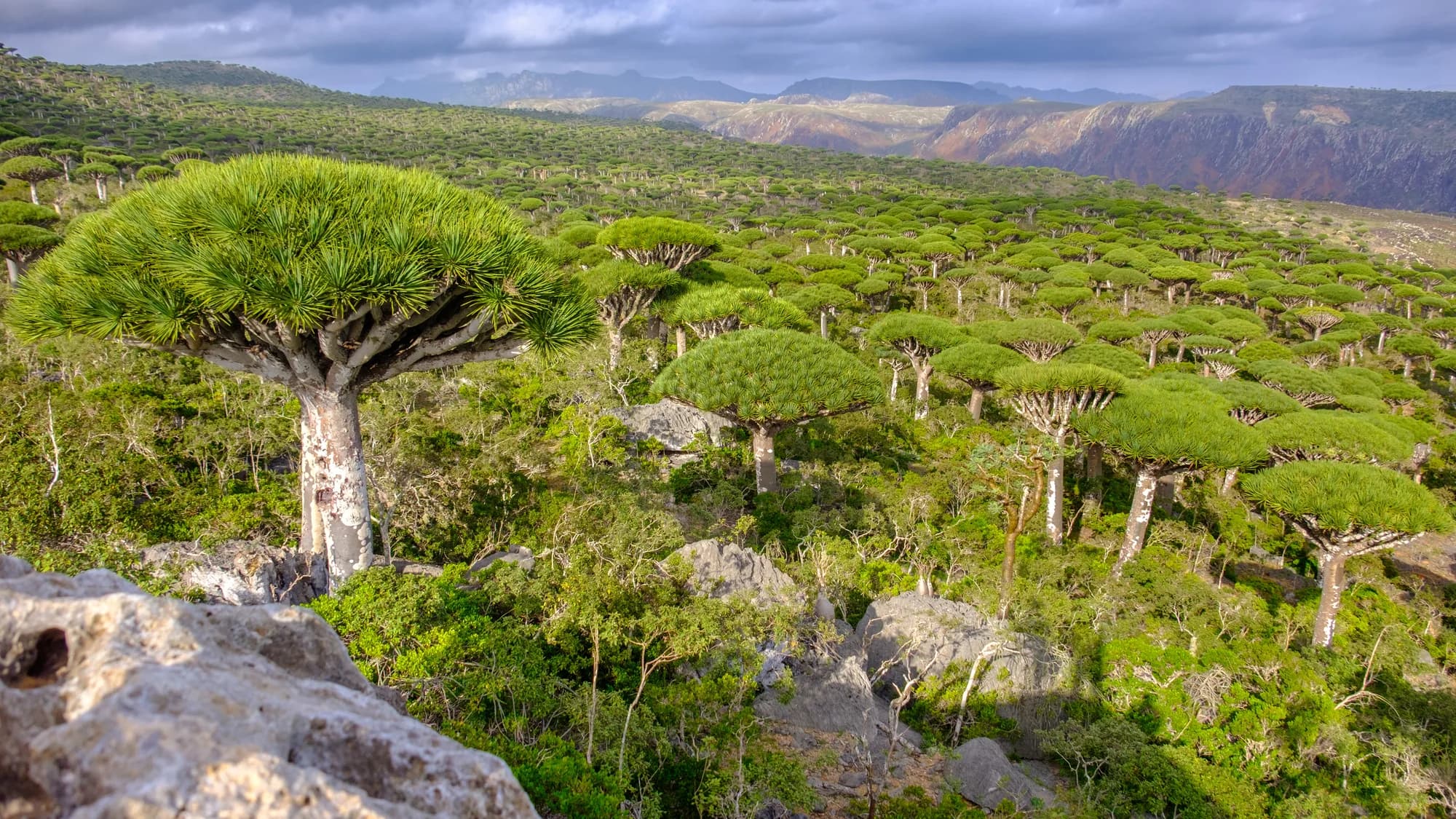
Firmihin, on the Diksam plateau, holds more than 40 per cent of the world's dragon's blood trees: a drone census in 2023 counted 35,542 living trees. It has been a protected area since 2022. Most trips pass through at midday, the worst light and the hottest hour; a trip that camps here sees the forest at dawn and dusk. It is usually day two or day five of an eight-day circuit, paired with the Diksam plateau.
Firmihin holds more than forty per cent of the world's Dracaena cinnabari on roughly two per cent of the ground the species could occupy. A 2019 survey counted 32,195 individuals; a drone census in 2023 counted 35,542 living trees. It was designated a protected area on 2 March 2022, covering about 11.8 km².
It is also the single most photographed place on Socotra, and the one where the gap between the photograph and the situation is widest.
What you actually see
A plateau of umbrella crowns at roughly the same height, spaced evenly across open ground, with the Haghier mountains behind. The evenness is the thing to notice: these trees are all roughly the same age. Walk the understory and you will not find seedlings, because grazing pressure has stopped regeneration almost everywhere outside fenced enclosures. The forest photographs as timeless and is, in ecological terms, an old-age population.
The numbers that matter
Alongside the living trees, the 2019 survey counted 2,123 dead uprooted individuals. Cyclones Chapala and Megh, a week apart in November 2015, damaged 11.5% of Firmihin's dragon trees and uprooted 10% of them. The widely repeated claim that the 2015 storms destroyed "about 30% of Socotra's trees" is a journalistic figure, not a field measurement, and it sits badly against what was actually counted here.
What else is in there
Firmihin is not a monoculture and the dragon trees are not the only reason it is protected. The understory holds a distinctive assemblage of Socotran endemics, and the forest is a stronghold for endemic reptiles and invertebrates — groups where the island's endemism rates run far higher than the 37% figure usually quoted for plants. Roughly 90% of Socotra's reptiles and about 95% of its land snails occur nowhere else on earth. Most visitors photograph the crowns and never look down.
The traffic, and the fire
On busy days the track through Firmihin carries 50 to 100 vehicles. Residents have described visitors treating the forest as an open-air toilet and are, in researchers' phrasing, "strongly displeased with the intensive tourism traffic and the rubbish left by tourists."
On 28 February 2024 mature trees along the road were deliberately set alight, with at least four separate ignition points and destruction in the understory. One tree was completely destroyed. The perpetrators were never identified, and among the motivations local people offered researchers was discontent with tourism expansion.
How to be here well
Stay on the track — off-road driving is recorded by the 2025 UNESCO mission as a specific problem here. No fire near the trees; the recommendation on the record is nothing within twenty metres of a trunk or the understory, and dragon-tree roots run shallow enough that a bonfire on top of them does real damage. Carry everything out. And do not post a campfire under a dragon tree, however good the picture is — that image is the most effective advertisement there is for the behaviour.
Photographing it honestly
Two hours matter here and most itineraries miss both. First light comes over the plateau and rakes across the crowns; the last half hour before dark does the same from the other side. The middle of the day, when the standard circuit arrives, is flat and hot.
The other picture worth taking is the one nobody posts: the dead uprooted trees, the bare ground under the canopy where seedlings should be, and the track. A photograph of Firmihin that shows only crowns is not a false picture exactly, but it is a partial one, and the partial version is why most visitors arrive with no idea the forest is in trouble.
When to come
The season runs roughly October to April; the khareef monsoon closes the island from around May or June to September, and camping on the plateau is not viable in it. February and March are the sourced flowering window and are also described as the calmest months for wind, which on an exposed plateau at this altitude is not a small consideration. Nights up here are meaningfully colder than the coast.
Wildlife here
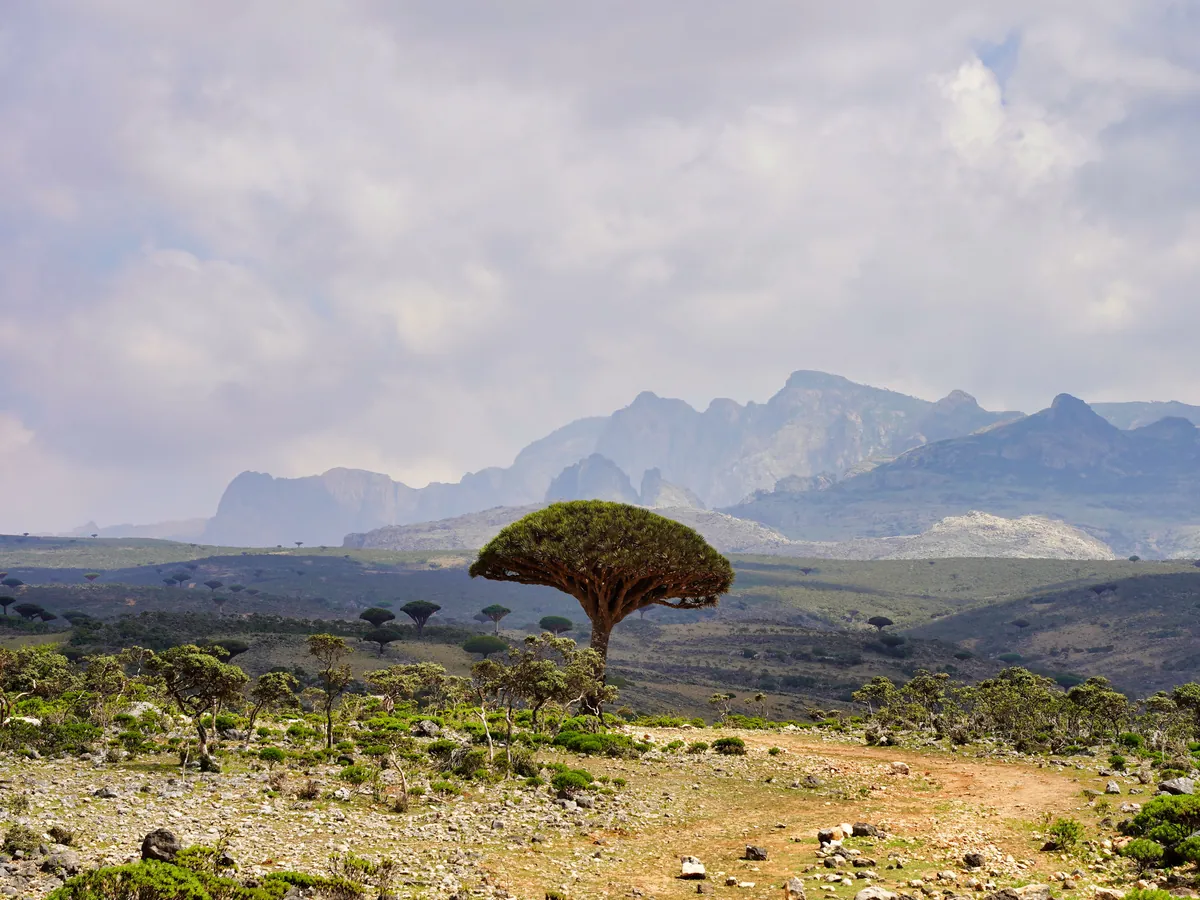
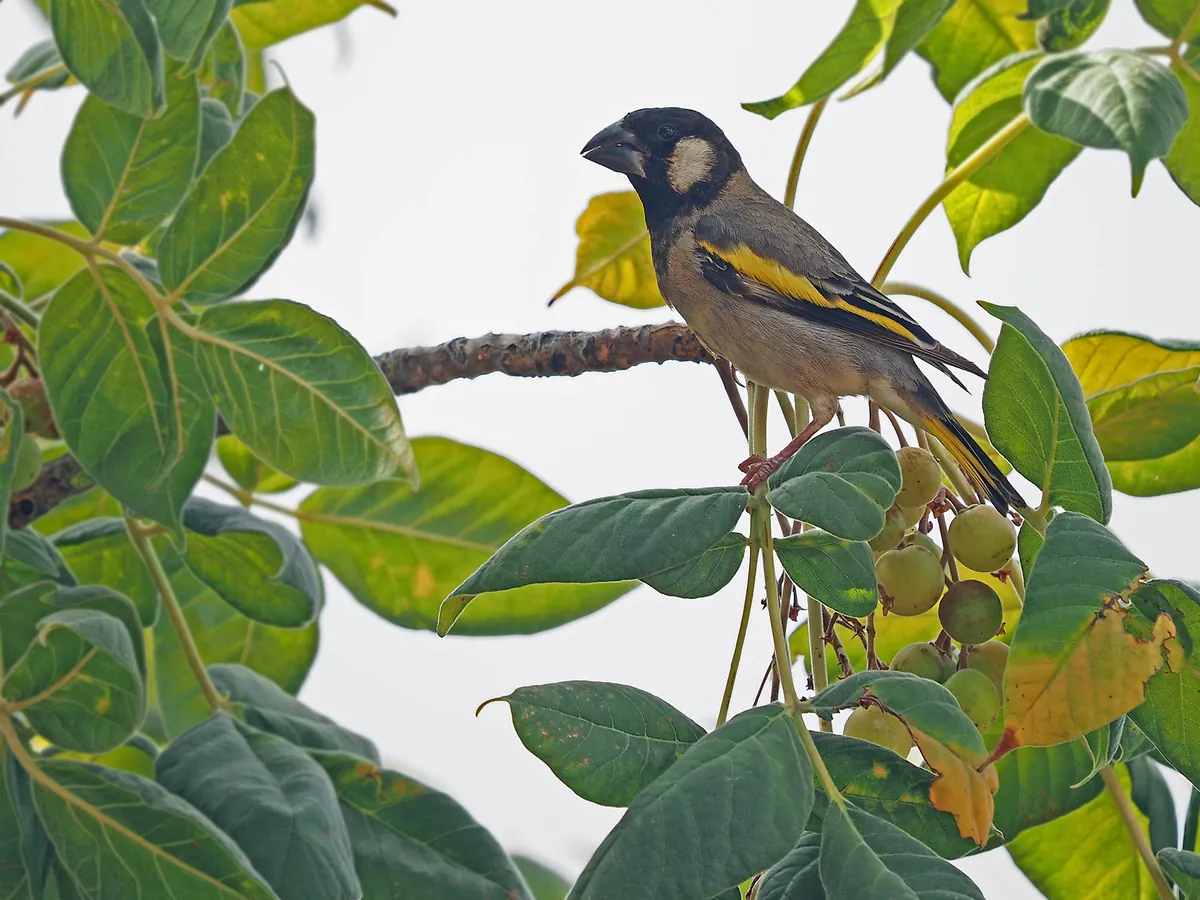
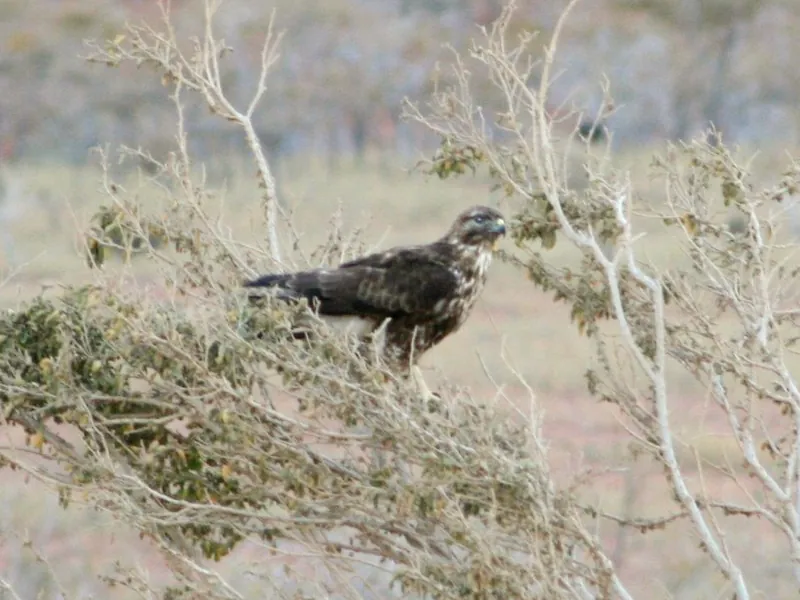
Firmihin Forest is one of the best sites on the island for its endemic birds. See the birds and the birding guide.
Visiting
- Usually day two or day five of an eight-day circuit, paired with the Diksam plateau.
- Most itineraries pass through in the middle of the day, which is the worst light and the hottest hour. A trip that camps here gets the forest at dawn and dusk instead.
- The track in from Diksam is unpaved and rough; operators describe it as needing a capable 4x4.
There are no bookable tickets for Firmihin Forest, here or anywhere else — Socotra has no independent travel, so every visit happens as part of an operator-led trip with a sponsored permit. Our expedition packages all include it.
Read next
Planning a trip that includes Firmihin Forest? Tell us your dates and we will come back with what is actually available.
Message us on WhatsApp