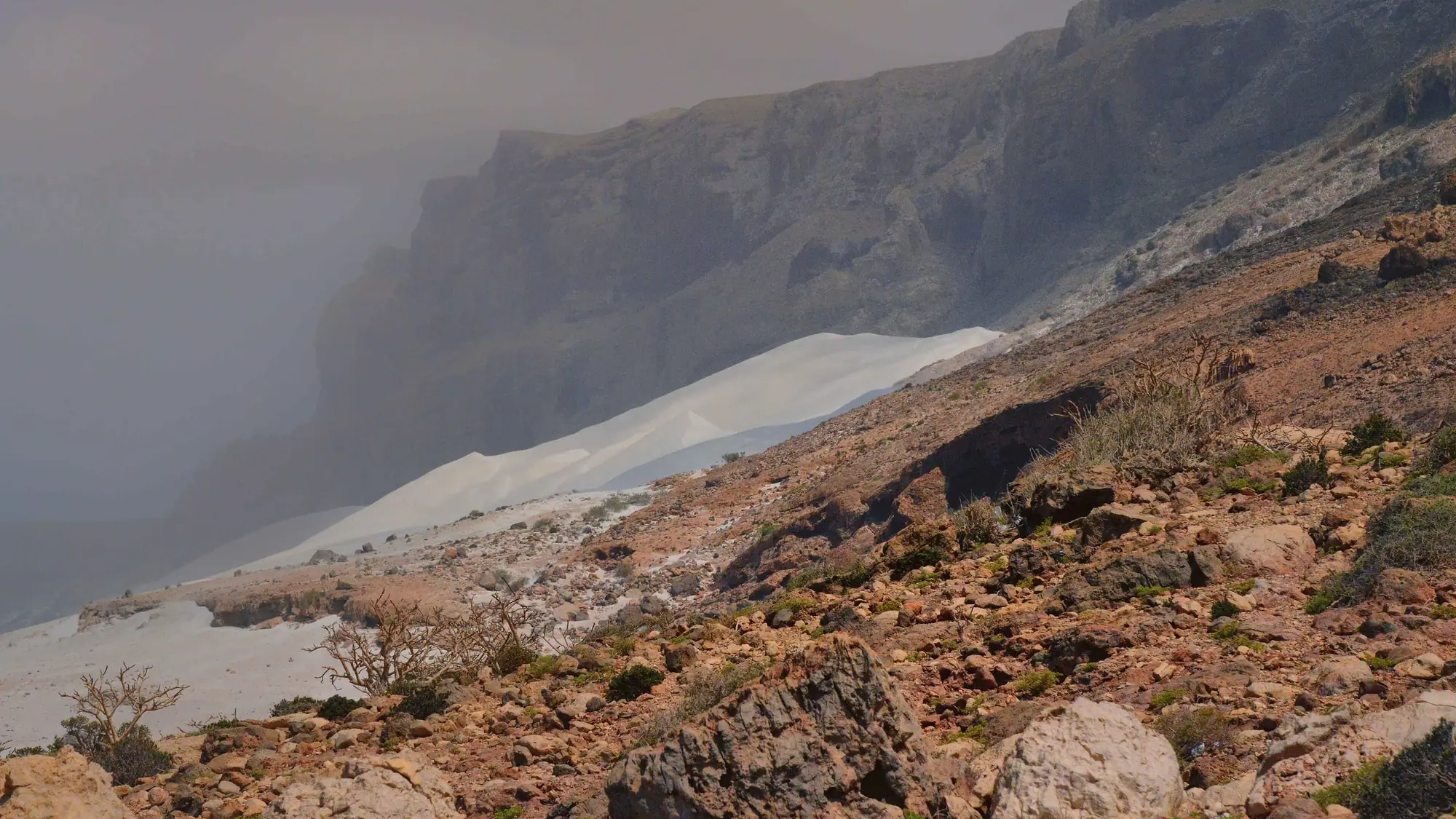
 Rod Waddington from Kergunyah, Australia · CC BY-SA 2.0
Wanneer naar Socotra: het seizoen, maand voor maand
Het seizoen loopt ruwweg van oktober tot april. Van ongeveer mei of juni tot september brengt de zuidwestmoesson, de khareef, wind die kamperen onpraktisch en vluchten onbetrouwbaar maakt, en organiseren operators geen reizen. Binnen het seizoen zijn de midwintermaanden het aangenaamst om te kamperen, en het venster dat het vaakst wordt genoemd voor de bloei van de drakenbloedbomen is februari tot maart.
Socotra is geen bestemming die je bezoekt wanneer je toevallig vrij bent. Het eiland is ongeveer zeven maanden open en de rest van het jaar dicht, en die sluiting is geen kwestie van comfort.
De khareef
Van ruwweg mei of juni tot september trekt de zuidwestmoesson over het eiland. Lokaal heet die de khareef, en hij brengt aanhoudende wind die tenten onpraktisch maakt, de bootovertochten sluit waar verschillende plekken van afhankelijk zijn, en de vlucht onbetrouwbaar maakt.
Touroperators voeren in deze periode geen reizen uit. Dat is de praktische definitie van dicht: niet dat het eiland in theorie onbereikbaar is, maar dat het apparaat dat een bezoek mogelijk maakt stilvalt.
Het seizoen is dus oktober tot april, en al het andere rond timing speelt zich daarbinnen af.
De vlucht bepaalt meer dan het weer
Dit is wat de meeste seizoensgidsen missen. Op Socotra is de bindende beperking niet de temperatuur, maar de vluchtrotatie.
De vlucht gaat in het seizoen ongeveer één keer per week. Daarom is bijna elk reisschema dat je tegenkomt acht dagen en zeven nachten: je komt aan met de ene vlucht en vertrekt met de volgende. Reizen van andere lengtes bestaan, maar die leunen op een tweede wekelijkse rotatie waarover bronnen het werkelijk oneens zijn, dus behandel ze als voorwaardelijk totdat een touroperator het schema schriftelijk bevestigt.
In de praktijk betekent dat dat je data voor je gekozen worden, met een marge van ongeveer een week naar beide kanten. Bepaal welk deel van het seizoen je wilt en neem dan de rotatie die daar het dichtst bij ligt.
Maand voor maand
Cijfers als tabel tonen
| Maand | Seizoen | Max. overdag | Zee | Wind | Wat je kunt verwachten |
|---|---|---|---|---|---|
| januari | Goed | 27 °C | 26 °C | 23 km/h | De bomen staan in blad en het is goed wandelweer. Noordoostenwind kan de zee ruwer maken. |
| februari | Beste | 29 °C | 26 °C | 18 km/h | Drakenbloedbomen en flesbomen bloeien. De drukste maand. |
| maart | Beste | 30 °C | 27 °C | 14 km/h | Kalme zee en helder water. Wordt vaak de beste duikmaand genoemd. |
| april | Goed | 32 °C | 29 °C | 11 km/h | De laagste gemiddelde wind van het jaar: kalme zee en warm water. |
| mei | Tussenseizoen | 33 °C | 30 °C | 20 km/h | De heetste maand en de warmste zee. Vanaf halverwege de maand trekt de wind aan. |
| juni | Gesloten | 32 °C | 28 °C | 40 km/h | De zuidwestmoesson begint en de reizen stoppen. |
| juli | Gesloten | 30 °C | 25 °C | 47 km/h | Het hoogtepunt van de moesson, en de winderigste maand. |
| augustus | Gesloten | 29 °C | 24 °C | 43 km/h | Nog steeds moesson. De zee is op zijn koudst. |
| september | Tussenseizoen | 30 °C | 25 °C | 29 km/h | De moesson neemt af. Bronnen zijn het oneens of reizen de moeite waard is. |
| oktober | Goed | 31 °C | 27 °C | 15 km/h | Het seizoen begint. Een goede maand om te duiken. |
| november | Goed | 30 °C | 27 °C | 20 km/h | Korte, zware buien kunnen de wadi's laten overstromen, dus kampen worden zorgvuldig gekozen. De cyclonen van 2015 kwamen in november. |
| december | Goed | 28 °C | 26 °C | 24 km/h | Goed trekkingweer. Nieuwjaarsreizen lopen vroeg vol. |
Oktober opent het seizoen. De moesson trekt weg en begin oktober kan het nog onstuimig zijn, dus de tweede helft is de veiligere keuze. Het eiland is groen van de zomerwinden op een manier die later verdwijnt, de plekken zijn rustig en de prijzen liggen vaak wat lager.
November en december vormen het betrouwbare hart van het vroege seizoen. Aangename dagtemperaturen, koele nachten op de plateaus, rustige zee voor de bootovertocht naar Shoab. De weken rond de feestdagen zijn de drukste van het jaar en zijn het eerst volgeboekt.
Januari is de koelste maand en de comfortabelste om te kamperen. Nachten op de hoogvlaktes bij Firmihin en Diksam zijn naar eilandmaatstaven echt koud, wat een warme laag de moeite waard maakt. Dit is ook de maand waarin in 2026 het vliegveld sloot en enkele honderden bezoekers ongeveer een week vastzaten, wat geen seizoenspatroon is, maar wel een herinnering om marge te houden op de terugweg.
Februari en maart zijn de maanden die de meeste mensen zouden kiezen. Warme dagen, aangename nachten, en het venster dat het vaakst genoemd wordt voor de bloei van de endemische flora, inclusief de drakenbloedbomen. Als botanie de reden van je komst is, is dit het doel, met het voorbehoud dat de bloei per jaar verschilt en dat niemand die kan beloven.
April sluit het seizoen af en hitte wordt de doorslaggevende factor. Begin april is nog aangenaam. Eind april begint het midden van de dag te beperken wat de moeite waard is — maar de beperking is hitte, geen wind, en dat onderscheid telt zwaarder dan het klinkt. Rustig, goedkoop en heet.
Kiezen op basis van wat je wilt
Voor comfort tijdens het kamperen neem je december tot en met februari. Koele nachten, rustige dagen.
Voor de bloei en de endemische flora: februari tot in maart, en zeg dat erbij als je een aanvraag doet, zodat het reisschema meer gewicht geeft aan de dagen op het plateau.
Voor de zee: de rustige maanden midden in het seizoen. Boottochten naar Shoab en het snorkelen bij Dihamri zijn het eerste wat een deining wegneemt, en beide vormen de kern van de kustroutes.
Voor rust en lagere prijzen: de randen van het seizoen, eind oktober of april.
Het misverstand over april
April is, volgens de klimaatgegevens, de rustigste maand van het jaar op Socotra — gemiddeld 7.0 mph, tegenover 28.8 mph in juli. Het winderiger seizoen begint pas op 30 mei. De zee in april is dus de beste zee die je krijgt: de boot naar Shoab, de overtocht bij Detwah en het snorkelen bij Dihamri zijn dan allemaal op hun best, en verschillende touroperators noemen onafhankelijk van elkaar februari tot april als het optimale venster voor precies die dingen. De zee is in november en december ruwer en houdt de boot naar Shoab vaker tegen dan april doet.
Touroperators die zeggen dat “de moesson in mei begint” beschrijven wanneer hun seizoen eindigt, niet het weer. Gelezen als een windwaarschuwing stuurt zo'n uitspraak je juist weg van de beste bootmaand van het jaar.
Wat eind april werkelijk achteruitgaat, is het land: rond de 32°C overdag, een luchtvochtigheid die als zeer hoog wordt beoordeeld, en bijna elke dag benauwd. In de bergen blijft het merkbaar koeler. Eind april is uitstekend op zee en zwaar te voet, dus plan de Hoq-grot en de lange wandelingen in het binnenland in de vroege ochtend en geef het midden van de dag aan het water. Minder mensen op dezelfde plekken.
Voor fotografie: februari en maart combineren de bloei met de helderste luchten, al geven de schoudermaanden vaak beter licht en legere voorgronden.
Hoe ver van tevoren boeken
Boek eerder dan je gevoel ingeeft.
Stoelen worden niet online verkocht. Ze worden vrijgegeven aan lokale touroperators met een vergunning, en de capaciteit per rotatie is klein. Daar komt bij dat je vergunning door je touroperator wordt gesponsord en ongeveer drie weken doorlooptijd nodig heeft vóór vertrek.
Voor de populaire weken, met name rond de feestdagen en het bloeivenster van februari tot maart, is enkele maanden van tevoren boeken normaal en niet overdreven voorzichtig.
Wat het seizoen niet oplost
Twee dingen blijven waar, ongeacht wanneer je gaat.
De vlucht blijft een enkel zwak punt in de hele keten. Een wekelijkse rotatie betekent dat elke verstoring dagen kost. Houd marge tussen je terugreis en elke aansluitende internationale vlucht, in elke maand.
En de praktische realiteit van het eiland wordt in het hoogseizoen niet zachter: nog steeds geen geldautomaten, nog steeds geen betaling met kaart, nog steeds contant in schone Amerikaanse dollarbiljetten, nog steeds kamperen voor het grootste deel van de reis. Dat komt aan bod in kamperen op Socotra, en het bredere beeld rond veiligheid en verzekering in is Socotra veilig.
Voor hoe de reizen er door het seizoen heen uitzien, zie onze expeditiepakketten.
Waarom het eiland groen is in oktober en bruin in april
De moesson die Socotra sluit, is ook wat het eiland voedt.
Tijdens de khareef stuwen de zuidwestenwinden vocht over het eiland. Er valt maar heel weinig van als gewone regen op het laagland, maar het hoogland vangt het op als wolk en mist, en daar leeft de vegetatie van. De hele architectuur van de drakenbloedboom, die vlakke kroon van dicht opeengepakte takken, bestaat om water uit voorbijtrekkende wolken te kammen.
Het seizoen waarin je komt, volgt daaruit. Oktober komt na de natte maanden en het binnenland laat dat nog zien. In april is het eiland zes maanden aan het opdrogen, zijn de wadi's uitgedund en is het groen overgegaan in oker en grijs.
Geen van beide is beter. Oktober is weelderig en het licht is vaak zacht. April is kaal, de kleuren zijn heter en de geologie is beter leesbaar omdat er minder overheen groeit. Fotografen hebben doorgaans uitgesproken meningen in beide richtingen.
De poelen, en wanneer ze water houden
Een praktisch gevolg om rekening mee te houden: de zoetwaterpoelen die de canyons de wandeling waard maken, zijn seizoensgebonden.
Kalysan, Ayhaft en de poelen onder het Diksam-plateau staan vroeg in het seizoen betrouwbaar vol en zakken gedurende het seizoen. Laat in het seizoen zijn sommige teruggebracht tot ondiep, stilstaand water. Als zwemmen in een canyon op je lijstje staat en niet alleen een bonus is, kies je data dan liever in de eerste helft.
Hetzelfde geldt voor de waterval bij Ayhaft, die in november een bezienswaardigheid is en in april vaak een vochtige rotswand.
Temperatuur, bij benadering
Niemand publiceert een betrouwbare tabel per maand voor het eiland zelf, en de cijfers die je vindt zijn meestal gegevens van het Jemenitische vasteland of gemodelleerde schattingen in plaats van metingen op Socotra. Wantrouw elke precieze tabel, ook die er gezaghebbend uitzien.
Wat wel consistent is tussen bronnen: de kust is het hele seizoen warm en aan het einde ervan heet. Het binnenland is enkele graden koeler en midden in de winter 's nachts merkbaar koud. De wind op de plateaus is bijna constant, waardoor dezelfde luchttemperatuur bij Firmihin heel anders aanvoelt dan bij Detwah.
Pak voor allebei. De meeste mensen nemen te weinig warme kleding mee omdat ze een eiland in de Arabische Zee voor zich zien en niet een hooggelegen plateau daarop.
Praat met een echt persoon — gratis
Seif en het team reageren via WhatsApp — reisvragen, reizen op maat en hulp bij het boeken.
Vraag het Seif via WhatsAppVeelgestelde vragen
Wanneer kun je Socotra het beste bezoeken?
Het seizoen loopt ruwweg van oktober tot april. Daarbinnen zijn de maanden midden in de winter het comfortabelst om te kamperen, en februari tot maart is het venster dat het vaakst genoemd wordt voor de bloei. Het eiland is feitelijk gesloten van ongeveer mei of juni tot september.
Waarom sluit Socotra in de zomer?
De zuidwestmoesson, lokaal bekend als de *khareef*, brengt aanhoudende wind die sterk genoeg is om kamperen onpraktisch en vluchten onbetrouwbaar te maken. Hij loopt van ruwweg mei of juni tot en met september. Dit is een harde beperking en geen kwestie van voorkeur.
Kan ik toch in de zomer gaan?
In de praktijk niet. Touroperators voeren geen reizen uit, vluchten worden onbetrouwbaar en de zeegang sluit de boottochten waar verschillende plekken van afhankelijk zijn. Als iemand je een vertrek in juli aanbiedt, stel dan heel veel vragen.
Wanneer bloeien de drakenbloedbomen?
Februari en maart worden het vaakst genoemd, en het verschilt per jaar. Als de bloei het doel van je reis is, vraag je touroperator dan wat hij ter plaatse werkelijk ziet voordat je je data vastlegt.
Hoe heet wordt het?
De kust is het hele jaar warm en wordt laat in het seizoen heet. De plateaus in het binnenland zijn merkbaar koeler, vooral 's nachts, en winderig. Eind april is het punt waarop de hitte overdag activiteiten rond het middaguur begint te beperken.
Bepaalt het vluchtschema wanneer ik kan gaan?
Meer dan het weer dat doet. De vlucht gaat in het seizoen ongeveer wekelijks, en daarom duurt bijna elke reis acht dagen: met de ene vlucht erheen, met de volgende terug. Je data worden bepaald door de rotatie, niet door je voorkeur.
Wanneer moet ik boeken?
Vroeg. Stoelen worden vrijgegeven aan touroperators met een vergunning in plaats van online verkocht, de capaciteit per rotatie is klein en de vergunning heeft ongeveer drie weken doorlooptijd nodig. De piekweken rond de feestdagen gaan het eerst weg.
Is het schouderseizoen de moeite waard?
Oktober en april zijn rustiger en het licht is vaak beter. In oktober is er nog enig restrisico op onstuimige omstandigheden terwijl de moesson wegtrekt, en eind april brengt hitte. Allebei zijn legitieme keuzes als je de plekken liever niet deelt.
Lees verder
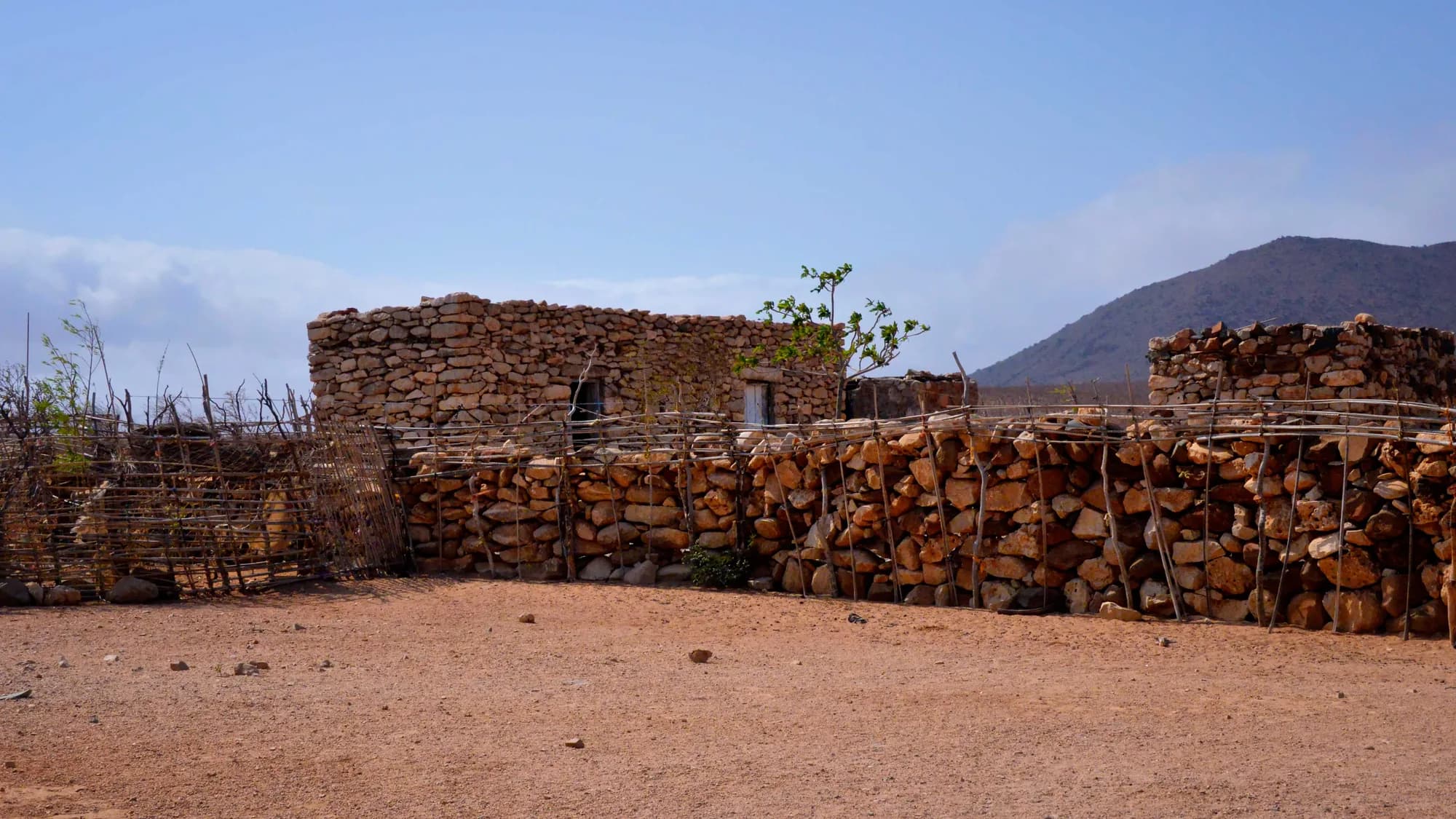
Socotra Permit and Entry, 2026–27: It Is Not a Yemen Visa
Every Socotra trip runs on a permit your operator arranges, while governments describe a different document altogether. What the permit is, what it costs, who issues it, and the distinction almost nobody writes down.
Door TiS Authors8 min leestijd
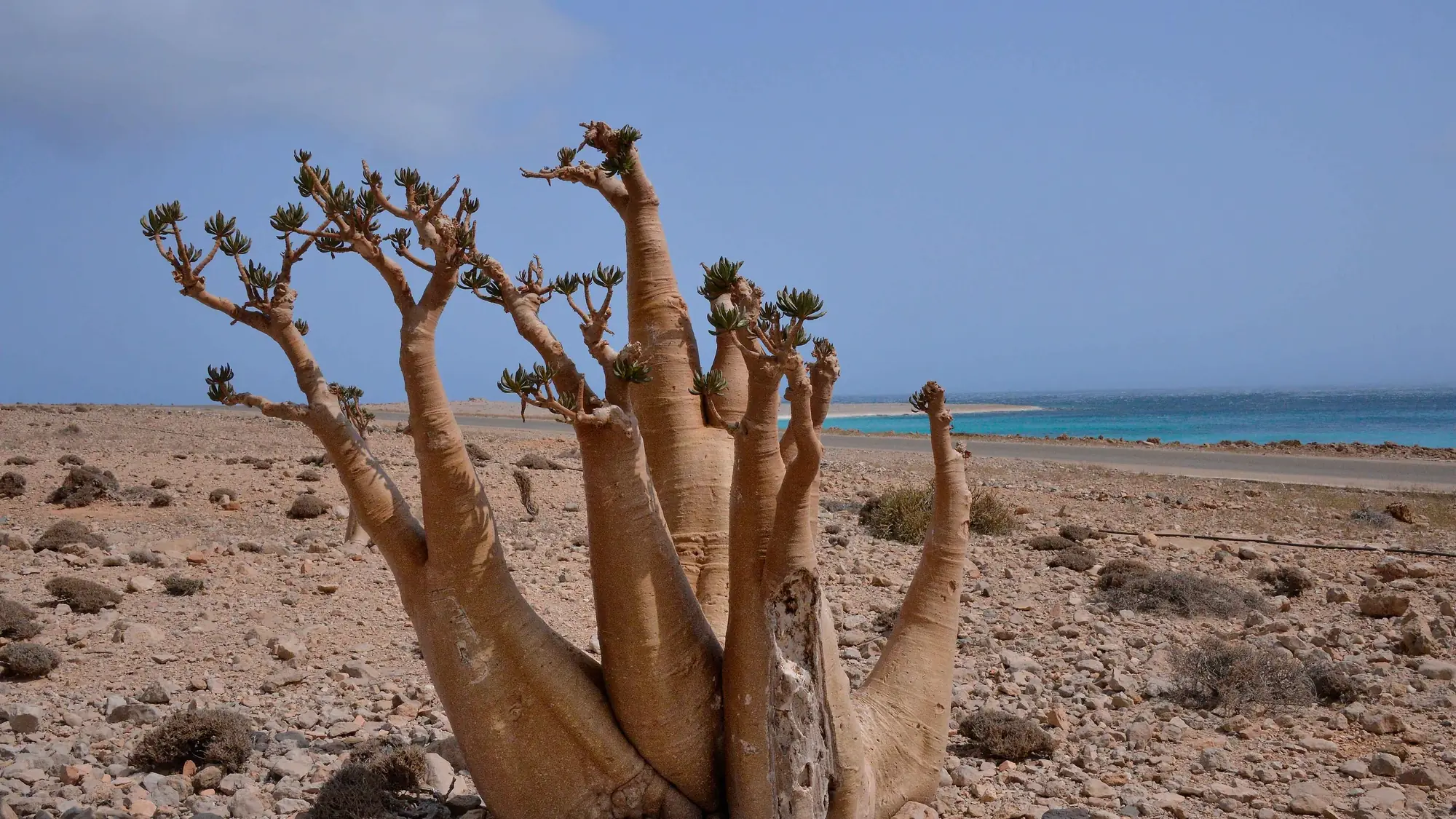
Reisverzekering en gezondheid op Socotra: wat is er echt gedekt
Eén veelaanbevolen polis noemt Jemen op de uitsluitingslijst. Nergens is gedocumenteerd dat er ooit een medische evacuatie vanaf Socotra heeft plaatsgevonden. Wat we konden verifiëren, en wat niemand publiceert.
Door TiS Authors10 min leestijd
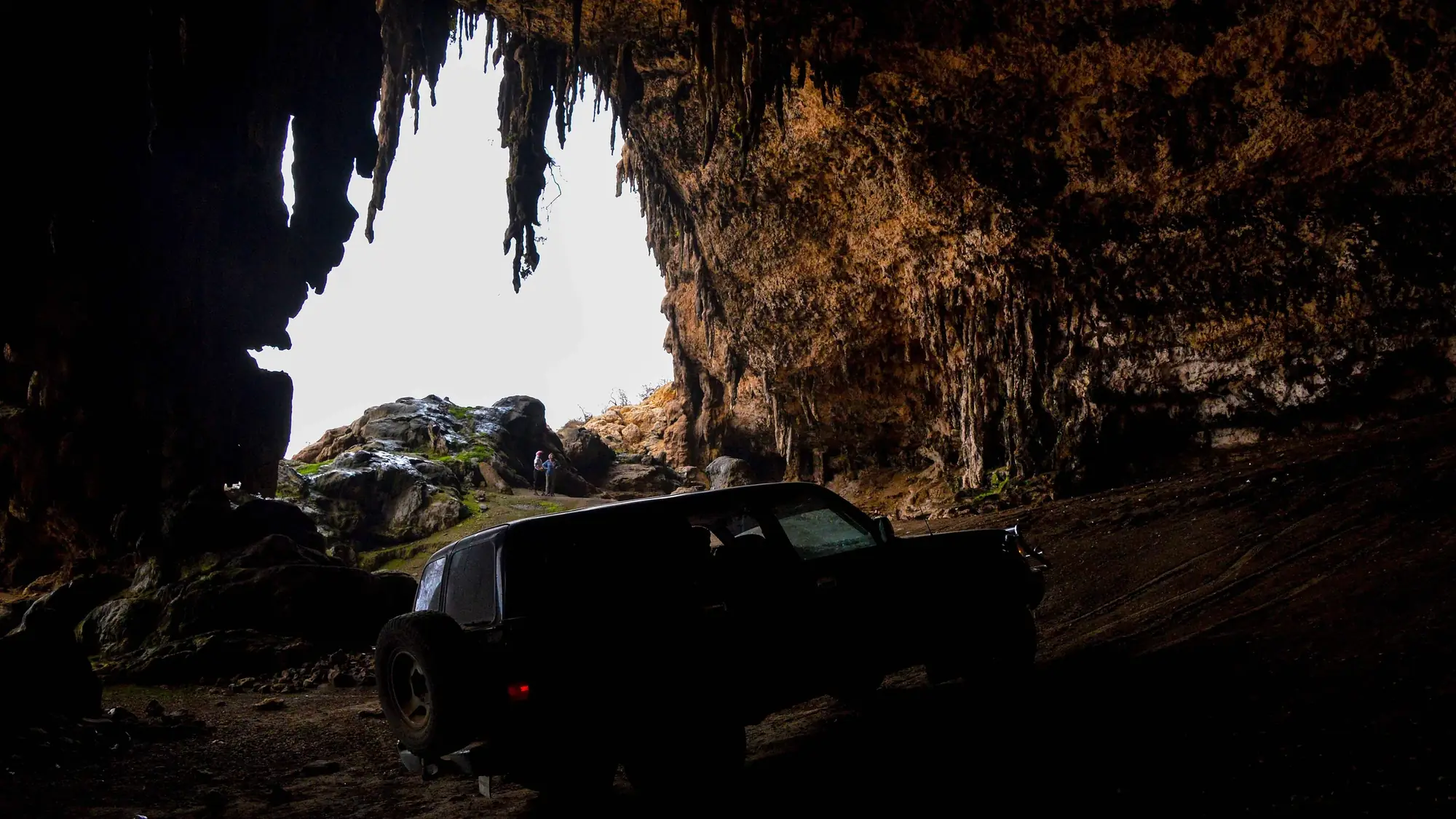
Is Socotra veilig? Het eerlijke antwoord, met bronnen
Socotra hoort bij Jemen, en elke westerse overheid raadt reizen daarheen af. Wat dat werkelijk betekent, wat de echte risico's zijn, en de twee gevolgen waar bijna niemand je over vertelt.
Door TiS Authors10 min leestijd