What Socotra Actually Costs, and Why the Same Trip Varies So Much
Travellers report roughly $2,500 to $4,500 all in for about a week, flights included. Almost all of it is three blocks: the Jeddah return flight at about $950 to $1,100, the land package at $1,000 to $2,800 depending on group size and comfort, and the permit at $150 to $200 in most quotes. There are no working ATMs or card payments on the island, so bring everything else in cash US dollars.
One traveller put it more precisely than any operator does: the same itinerary costs "USD1,500 to USD3,000+ per person." That is not a typo and it is not a scam. It is a real spread, and once you know what drives it the number stops being mysterious.
This page uses published figures with the dates they were captured. Where sources disagree, the disagreement is shown rather than averaged. Where we could not verify something, it says so.
The three blocks
Almost the entire cost is three things.
The flight, which is roughly a third of the trip and the single biggest variable. Jeddah to Socotra return sat between $950 and $1,100 through 2026 across eight separate observations.
Two traps in older figures. The Abu Dhabi route, at roughly $860 to $950, is the one most blogs quote, and it stopped operating in January 2026. And a higher figure that circulates widely traces back to a 2022 Cairo fare, not a current Jeddah one. If a page quotes you Abu Dhabi pricing, it has not been updated in over a year.
The land package, meaning everything on the island: vehicle, driver, guide, cook, food, camping. Group tours land at $1,000 to $2,800 for seven or eight days. Private and luxury go well above that.
The permit, at $150 to $200 in most quotes, with an outlier at $75 and one priced in euros.
Why identical itineraries produce different quotes
Group size does most of it. A Land Cruiser, a driver, a guide and a cook cost the same whether two people or eight are sharing them. One operator's own published range moves from about $1,300 to $2,000 per person purely on group size; another spans $1,250 to $3,599.
Whether the flight is inside the price. This is the biggest single source of confusion in the market, because a land-only quote of $1,950 and an all-in quote of $2,900 can be the same trip. Always ask which you are being shown.
Comfort tier. Standard camping, fixed comfort camps and hotel-based itineraries are genuinely different products at genuinely different prices, and a private hotel-room upgrade alone has been quoted at $800 to $1,500.
What people actually paid
Reported totals, rather than advertised ones:
- $3,300 per person, eight days, all in
- $242 per day all in on that trip
- $3,000 to $4,500 for a week including flights
- $2,500 to $4,000 for tour, flights, permit and spending
- One traveller tracked a headline daily cost of $120 against an actual of $131
That last pair is the useful one. The gap between the advertised day rate and the real one is about ten percent, and it is made of the small things below.
The line items nobody puts in the headline
- Flight deposit to hold a seat: around $200, paid before anything else
- Jeddah airport hotel if your connection is overnight, and it is typically non-refundable
- Saudi transit visa, where your nationality requires one, at roughly $130
- Drone permit about $100 — and a reported $150 charge if an unpermitted drone is found at the airport
- Tips — see the note below; budget $100–150 per person for a full camping crew
- Airport transfer around $20
- Snorkel gear $5–$10, diving equipment about $40
- Physical SIM card (eSIMs do not work) $20–$30
- Specialised travel insurance $100–$200, and see insurance and health for why the cheap options may not cover you
- Cash reserve of around $500, plus $200–$300 for personal spending
Food and drink on the island are cheap by comparison. A street meal is $2–$5, a local restaurant $4–$8, a fresh juice $3, museum entry $3.
Two widely quoted costs we could not verify
The $100 arrival tourist tax. One operator lists it. Every $100 figure we traced resolved to something else: the drone permit, the mainland Yemen visa-on-arrival ceiling, or a rounded version of the permit fee. It may exist. We could not confirm it as a separate charge, and we are not going to put it in a total as though it were certain. Ask your operator to itemise it.
A $300 flight cancellation fee. This circulates attached to the $950 fare. The airline's own published fees are considerably lower, in the region of a $20 change fee and $100 for a late cancellation or no-show. The $300 appears to originate from a tour operator's own cancellation terms and a stale 2022 source about a different route. Your operator's cancellation policy and the airline's are two separate things, and it is worth getting both in writing.
Cash, and why it matters more here
There are no working ATMs on Socotra and no card acceptance anywhere. Whatever you have not prepaid, you carry, in US dollars.
Bring clean notes. Worn, torn or heavily marked bills get refused, which catches people out more reliably than the camping does. Budget the personal spending and the emergency reserve as physical cash you are carrying through two airports.
The permit fee is the one to clarify before you fly, because the spread is wide, the issuing authority is not publicly documented, and two operators contradict their own websites on it. That is not a reason for alarm; it is a reason to get the number in writing.
Building your own estimate
Take the land package for your group size, add roughly $1,000 for the flight unless it is already included, add $150–$200 for the permit, then add $400–$700 for the deposits, transit costs, tips, insurance and cash buffer above.
For a small group in standard camping that lands near $2,600. For a couple wanting fixed comfort camps it lands nearer $3,800. Those are the honest brackets, and they match what travellers report paying.
Tipping, and how much cash to actually carry
The advice in circulation looks like it spans three to six times, and mostly it does not — it prices different crews. $50–100 pooled is the figure attached to a guide, a driver and a cook: three people. $100–150 per person is the figure attached to a full camping crew of seven or eight. Those are not really in conflict. Tip pooled, at the end of the trip, and ask your operator how many people are actually on the crew so the number means something.
One rule of thumb worth discarding: "ten per cent of the package." No operator states it anywhere, it traces to a single blog, and that blog's own recorded spend was nearer seven. On a $2,200 trip it produces a figure above every operator's recommendation.
The bigger cash question is not tipping at all, and it has two completely different answers depending on one thing: have you pre-paid the tour?
- Pre-paid — you are carrying tips and incidentals. $500–800 in small, crisp notes is ample.
- Paying on arrival — several operators settle in cash on the island, and then you are carrying the whole trip. One traveller documented arriving with $4,765, about seventy per cent of their total trip cost, in a bag.
There are no working ATMs and no card acceptance. Notes must be crisp and series 2009 or newer; small denominations matter. There is a single Western Union agent in Hadibo and it is the only fallback there is. Establish which of those two situations you are in before you fly, not at the airport.
What they should not be is a surprise. If a quote does not separate flight, permit and land cost, ask for it broken out before you pay a deposit. Any operator worth booking will do that without hesitating, and how booking works covers what else to ask.
For what the money buys day to day, see the expedition packages; for what sleeping on the island is actually like, the camping guide.
Why no operator publishes a rate card
It is worth understanding what sits underneath the land price, because it explains why the market looks opaque even when nobody is being dishonest.
Almost nothing on the island has a published rate. The daily cost of a Land Cruiser with a driver, an English-speaking guide, a cook, a camp fee for a night, the boat charter round to Shuab, the local guide fee at Hoq: none of these are posted anywhere by anyone. We looked, and the honest finding is that they do not exist in public.
That has two consequences for you as a buyer.
A quote is a negotiated bundle, not a sum of listed parts. Two operators running the identical route can price differently because they have different arrangements with drivers and camps, not because one is overcharging. Comparing headline totals across operators tells you less than it would almost anywhere else.
Itemisation is a fair thing to ask for and a reasonable test of an operator. You will not get a supplier rate card, and you should not expect one. But flight, permit and land cost separated out, plus a clear list of what is included and excluded, is entirely normal to request. An operator who resists that is telling you something.
The one figure that genuinely should not move is the flight, because it is a ticket on a scheduled airline. If a quoted flight cost is far from the $950 to $1,100 band, ask which route and which month it refers to.
Chat with a real person — free
Seif and the team reply on WhatsApp — trip questions, custom plans and booking help.
Ask Seif on WhatsAppCommon questions
How much does a trip to Socotra cost in total?
Travellers report roughly $2,500 to $4,500 all in for about a week, including flights. One documented eight-day trip came to $3,300 per person, working out at about $242 a day. The land package alone typically runs $1,000 to $2,800 depending on group size and comfort.
Why do quotes for the same itinerary differ so much?
Three reasons. Group size, because vehicle and guide costs divide across the passengers. Whether the flight is inside the quoted price or extra, which alone moves the number by around $1,000. And comfort tier, where a fixed luxury camp carries a supplement well over $1,000.
How much is the flight?
Jeddah to Socotra return was quoted between $950 and $1,100 through 2026. Be careful with older figures: the cheaper Abu Dhabi fares of roughly $860 to $950 belong to a route that stopped operating in January 2026, and at least one widely repeated higher figure traces back to a 2022 Cairo fare rather than a current Jeddah one.
How much is the Socotra permit?
Published figures cluster between $150 and $200, with outliers at $75 and one quoted in euros. There is no authoritative number, and the issuing office is not publicly documented anywhere. Treat it as a range, confirm what your operator is charging, and ask what it covers.
Is there a tourist tax on arrival?
Probably not as a separate charge, though one operator lists one. Every $100 arrival figure we traced resolved to something else: the drone permit, the mainland Yemen visa-on-arrival ceiling, or a rounded version of the permit fee. Ask your operator to itemise it rather than assuming it is real.
What are the costs people forget?
The flight deposit of around $200 to hold a seat, a Jeddah airport hotel if your connection is overnight, the Saudi transit visa where your nationality needs one, a drone permit at about $100, tips, and a cash reserve. Snorkel gear, diving add-ons and better rooms are all extra.
How much should I tip?
Published guidance ranges from about $50 to $150 for the whole trip across the crew, while one traveller recorded paying $308. That is a three to six fold spread, which tells you there is no norm. Ask your operator what their crew actually receives and budget toward the upper end.
How much cash should I bring?
All of it. There are no working ATMs and no card acceptance on the island, so everything beyond your package is cash US dollars. Guidance suggests $200 to $300 for personal spending plus an emergency reserve of around $500. Bring clean, undamaged notes, because worn ones get refused.
Keep reading
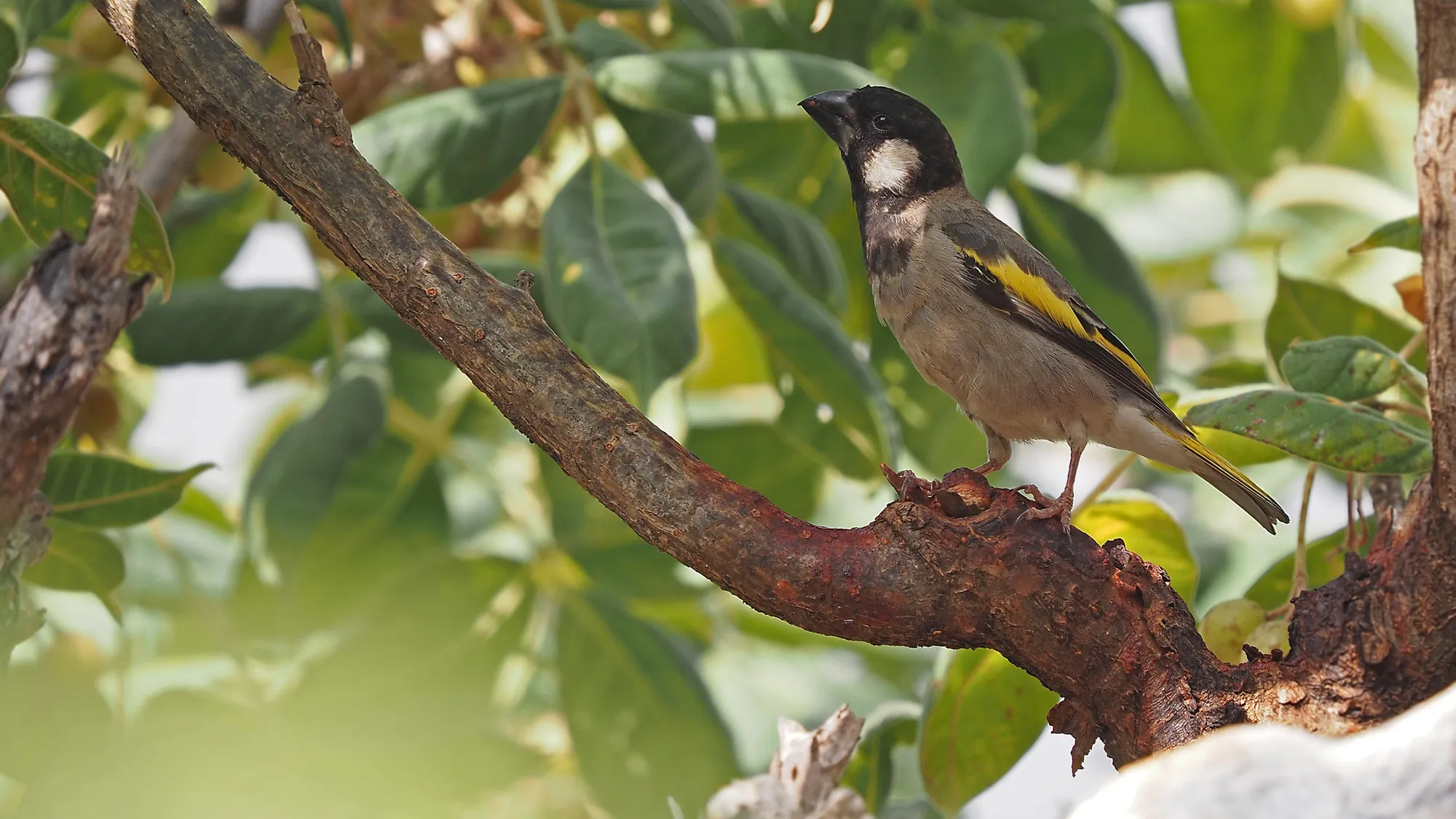
Birding on Socotra: The 11 Endemic Birds and Where to See Them
Eleven bird species live only on the Socotra archipelago. Where to look for them, the one standard trips cannot reach, and how each is doing on the Red List.
By TiS Authors8 min read
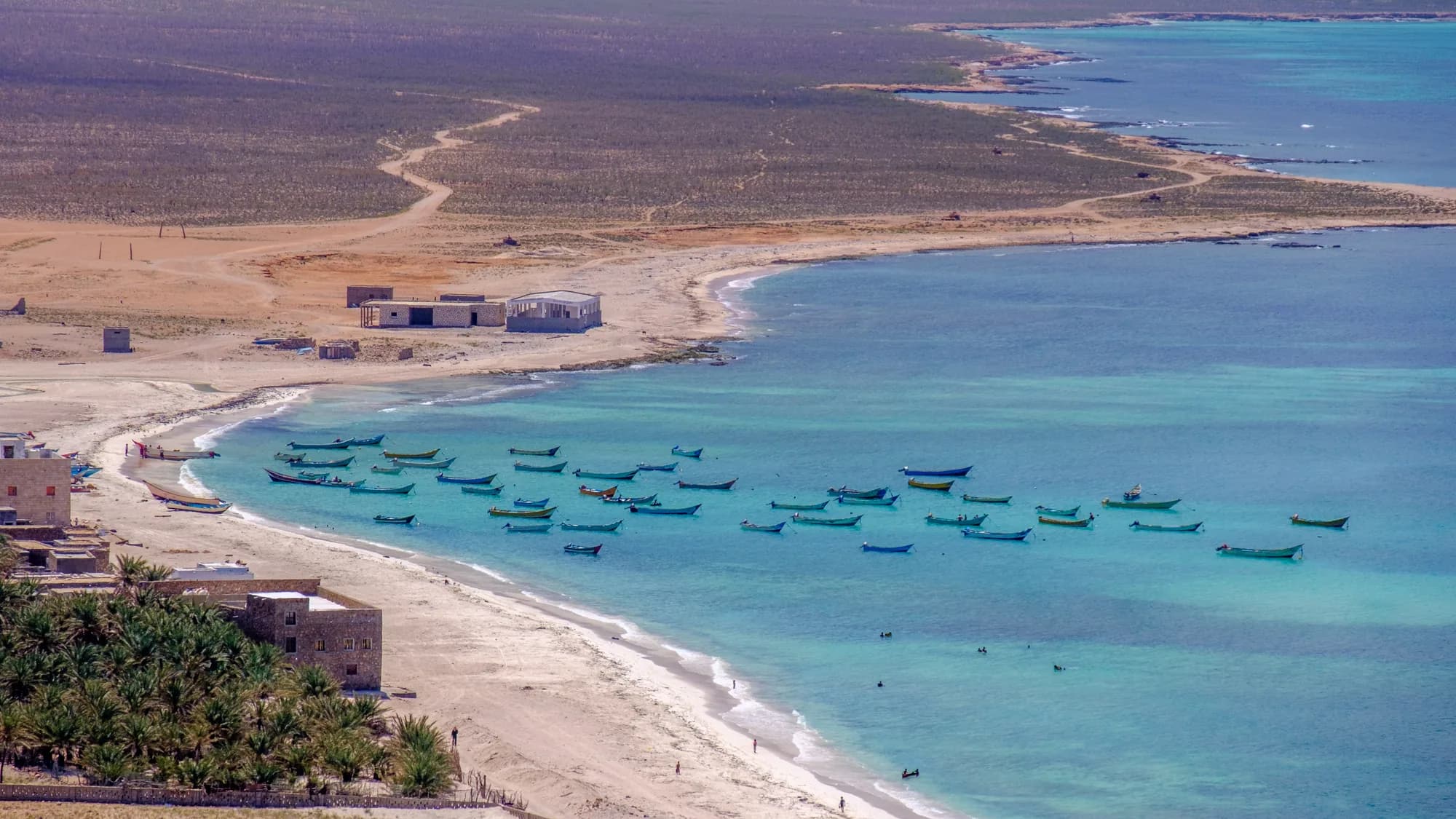
How to Get to Socotra in 2026–27: The Jeddah Flight, and Every Other Route
One direct international flight reaches Socotra, and even its timetable is disputed. The Jeddah flight as filed, what Yemenia has and has not confirmed, what it costs, and what became of the other routes.
By TiS Authors9 min read
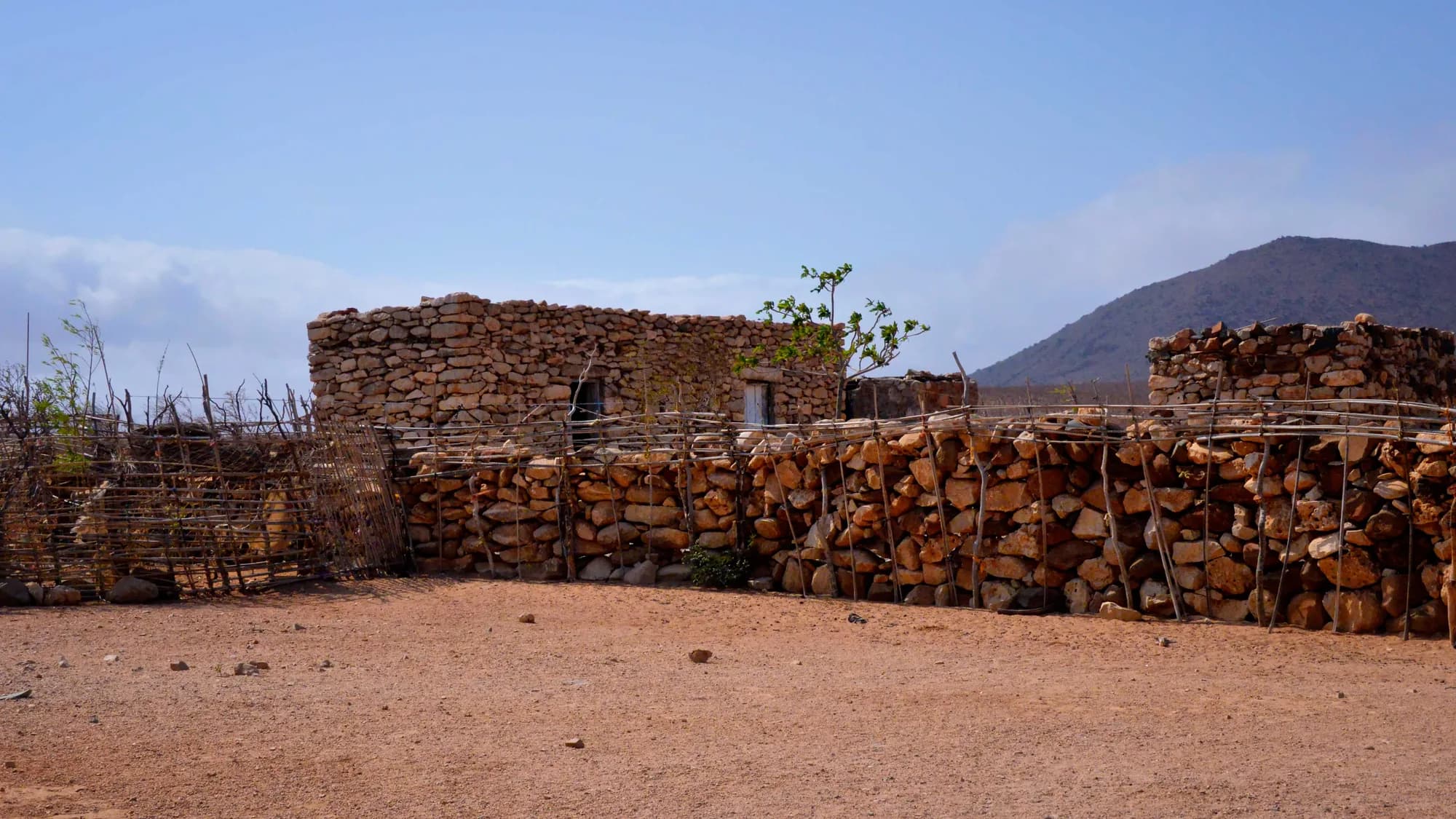
Socotra Permit and Entry, 2026–27: It Is Not a Yemen Visa
Every Socotra trip runs on a permit your operator arranges, while governments describe a different document altogether. What the permit is, what it costs, who issues it, and the distinction almost nobody writes down.
By TiS Authors8 min read