Expeditions · S01

Socotra Classic Circuit

8 days, 7 nights · max 8 · small group, camping

$2,610 per person, all-in, including the Socotra flight

This is the trip almost everyone means when they say Socotra: a full lap of the island, camp moving every night, seven nights under canvas from the north coast round to the western lagoon. You wake up somewhere different each morning and you see more of the island than any other format allows.

It is eight days because the flight is weekly — one in, the next one out. That is not a scheduling choice we made, and it is worth understanding before you compare itineraries: an operator selling you eight days is selling you the flight cycle, not a curated length.

What it costs

Land only
$1,610

Everything on the island, per person.

All-in
$2,610

Land plus the return Jeddah–Socotra flight.

These are real numbers, not a “from” price, and they are indicative until we confirm them against live availability for your dates — the flight rotation and the permit both move. You get a firm figure in writing before you commit to anything. Why the same trip is quoted so differently across the market is covered in what Socotra actually costs.

Socotra is a cash-USD island: no working ATMs, no card acceptance. Bring $500–800 in small denominations, and note that only crisp notes from 2009, 2013 or 2017 onwards are reliably accepted.

Day by day

Pattern A — full circuit, camp moves nightly

We do not print driving times. Almost none are published by anyone and the two figures that circulate could not be attributed to a source, so we would rather leave them out than invent them. Walking times below are the ones operators publish.

  1. Day 1

    Arrive, and go straight inland

    North

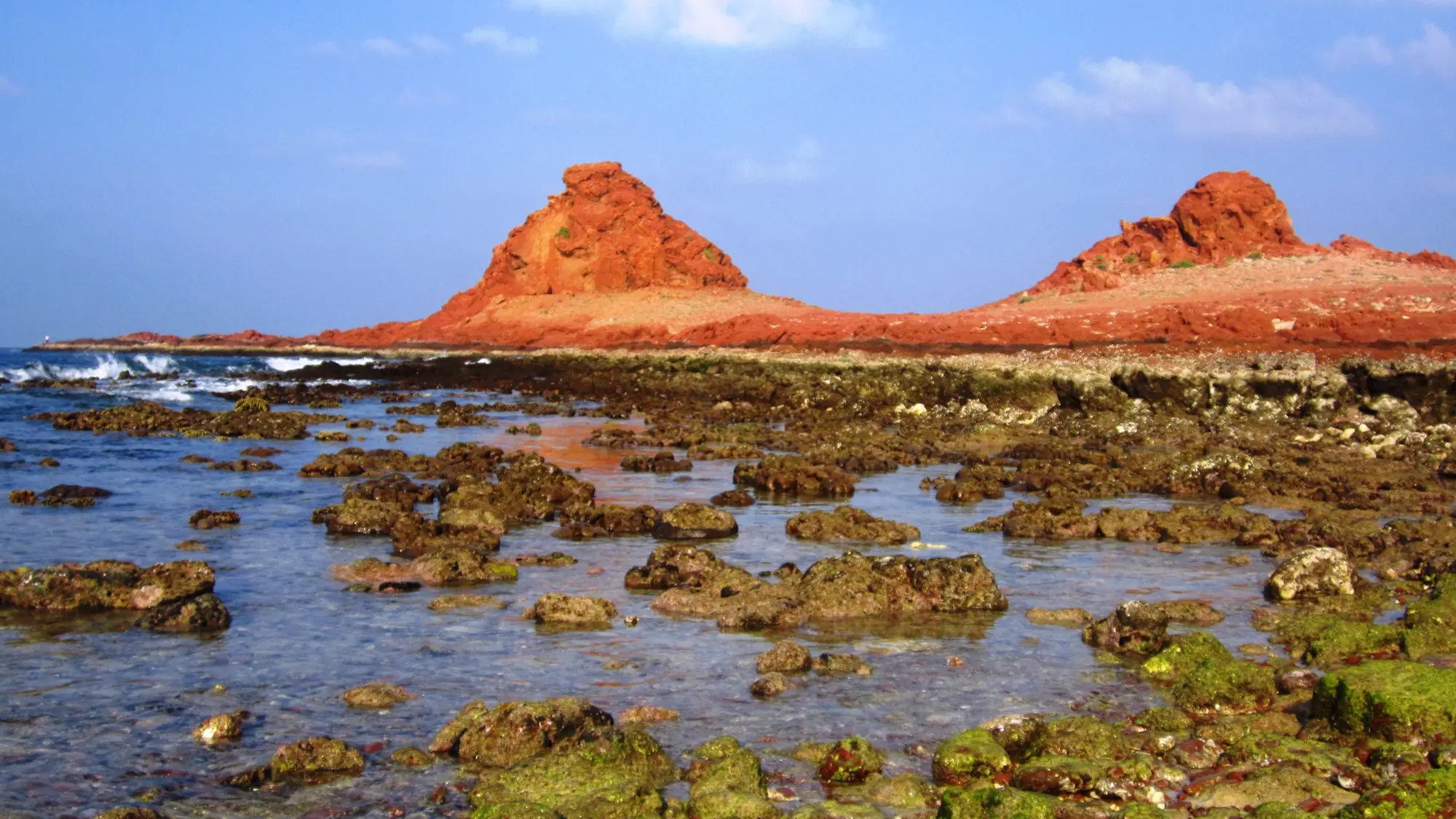
    Met at the airport and loaded into the 4x4s. Wadi Ayhaft first — a freshwater pool in a palm-and-dragon-tree valley, and the fastest way to stop feeling like you are in transit. Then down to the coast.

    Overnight: Delisha Beach camp

  2. Day 2

    The reef

    North-east

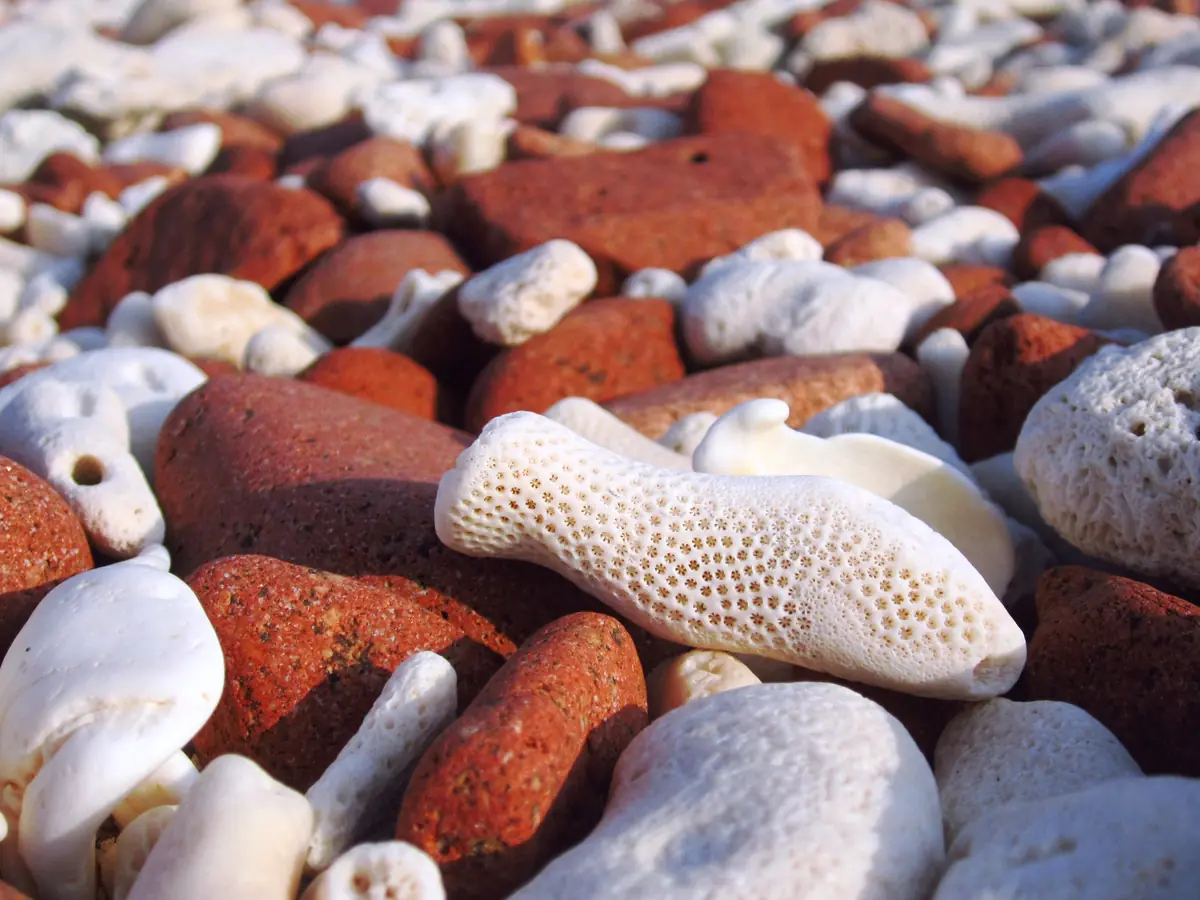
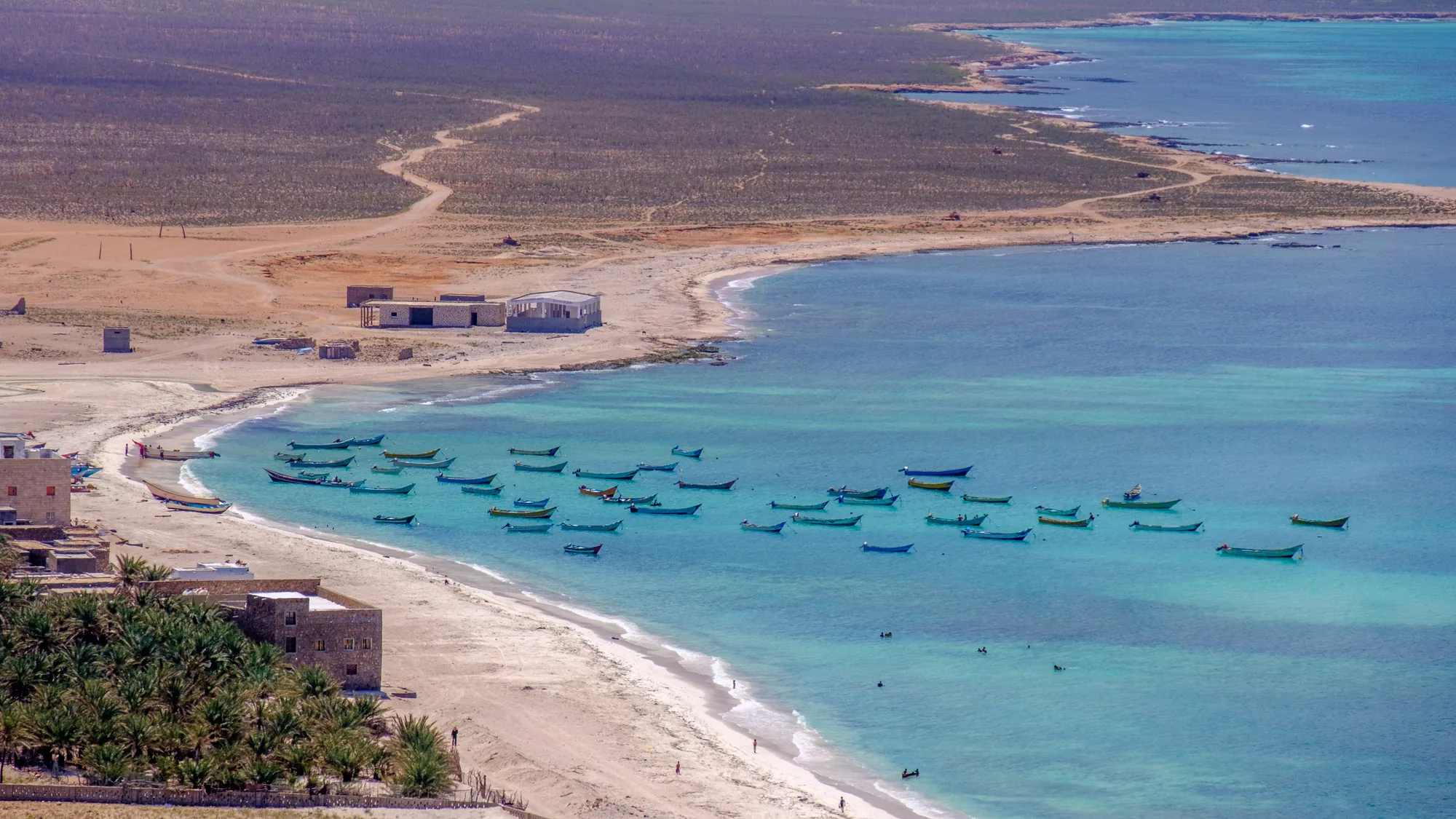
    Dihamri Marine Protected Area, the island's most accessible reef and the one place snorkelling is genuinely easy. A community-managed site, and one the 2025 UNESCO mission singled out as a positive example. Afternoon in the fishing village.

    Overnight: Dihamri camp

  3. Day 3

    Hoq Cave, then the dunes

    East

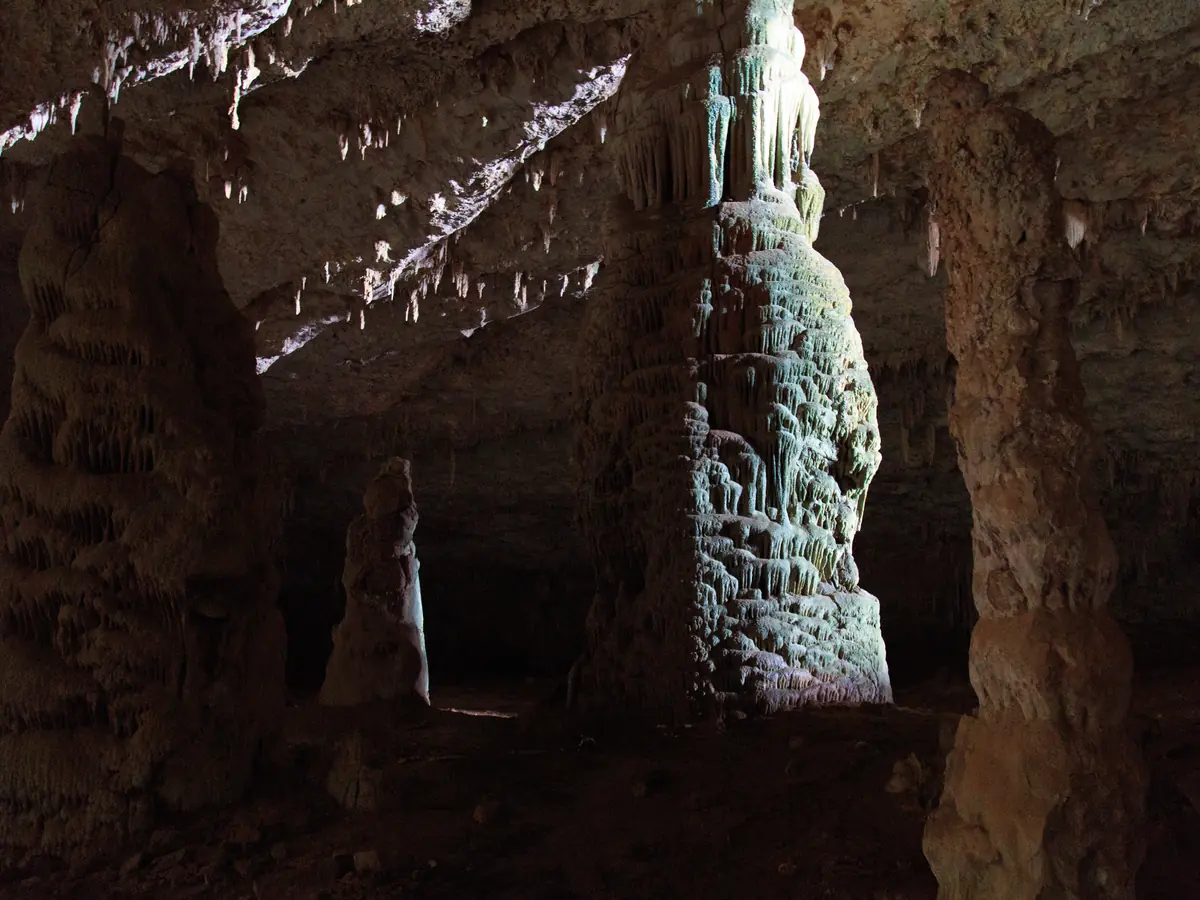
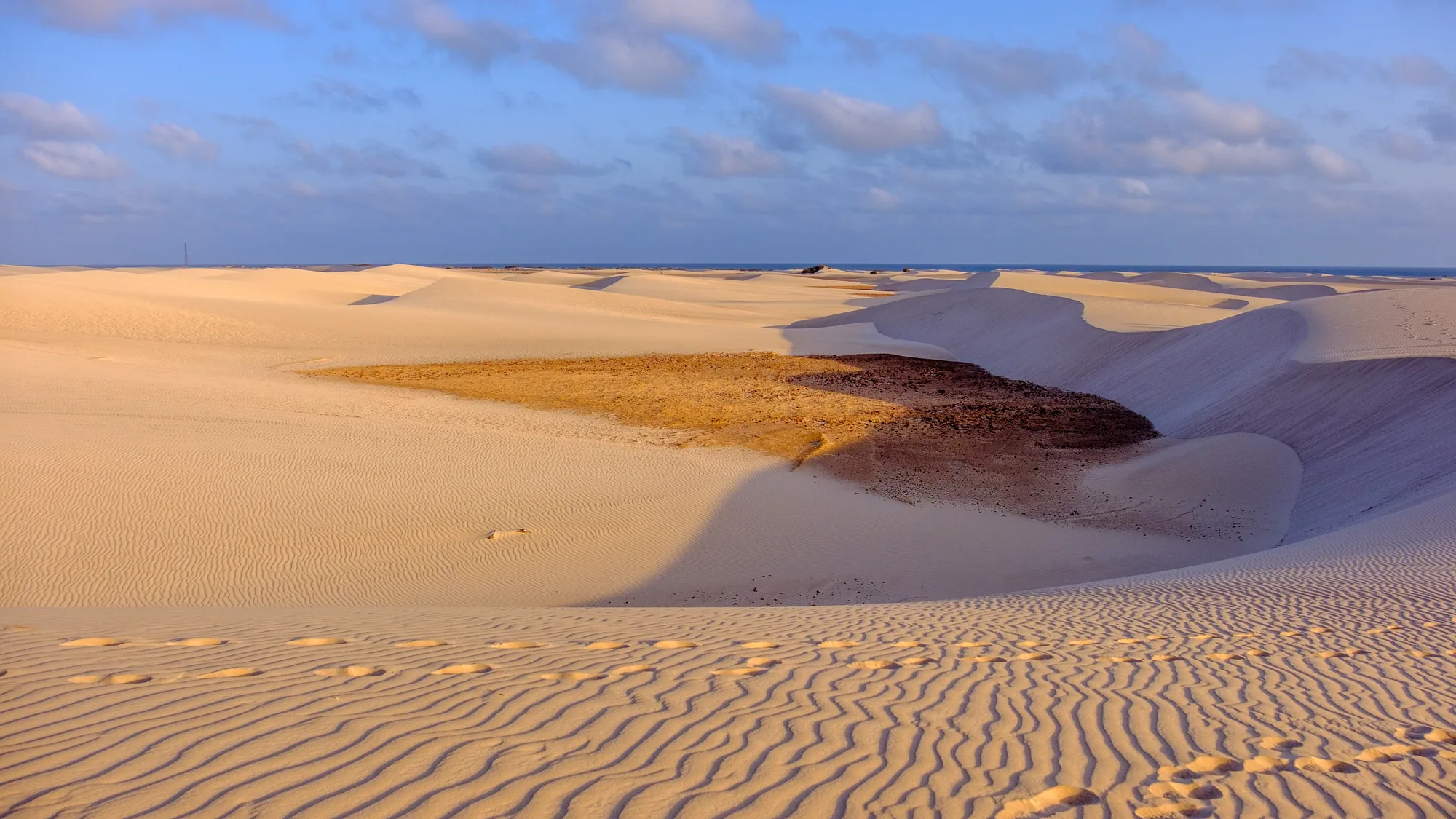
    The walk up to Hoq and back is the hardest thing on the standard circuit — operators publish it as roughly three hours round trip with about an hour inside, and describe it as needing medium fitness. Inside are 1st-century inscriptions left by Indian and Ethiopian sailors. A swim at Erissel, then the Arher dunes at sunset, where sand piles several hundred metres up against the cliff.

    Overnight: Arher Beach camp, bonfire on the sand

  4. Day 4

    Canyon pools and the frankincense plateau

    East and plateau edge

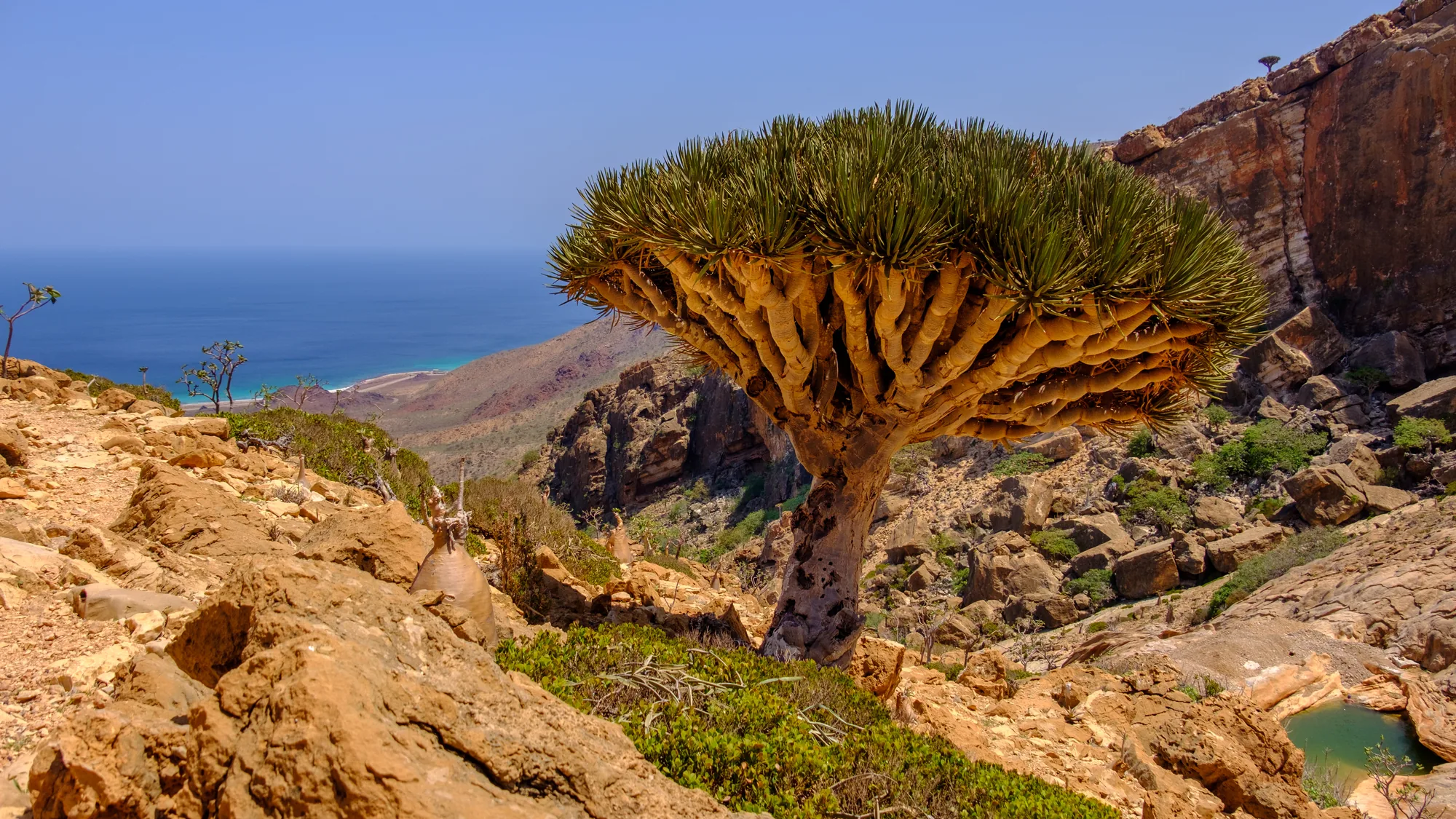
    Kalysan Canyon — operators publish about forty-five minutes on foot from where the vehicles stop to the pools. Then up to Homhil, where bottle trees, frankincense and dragon's blood grow together above the infinity pool, and a resin-harvesting demonstration if the family is there.

    Overnight: Homhil camp

  5. Day 5

    Across to the south coast

    South

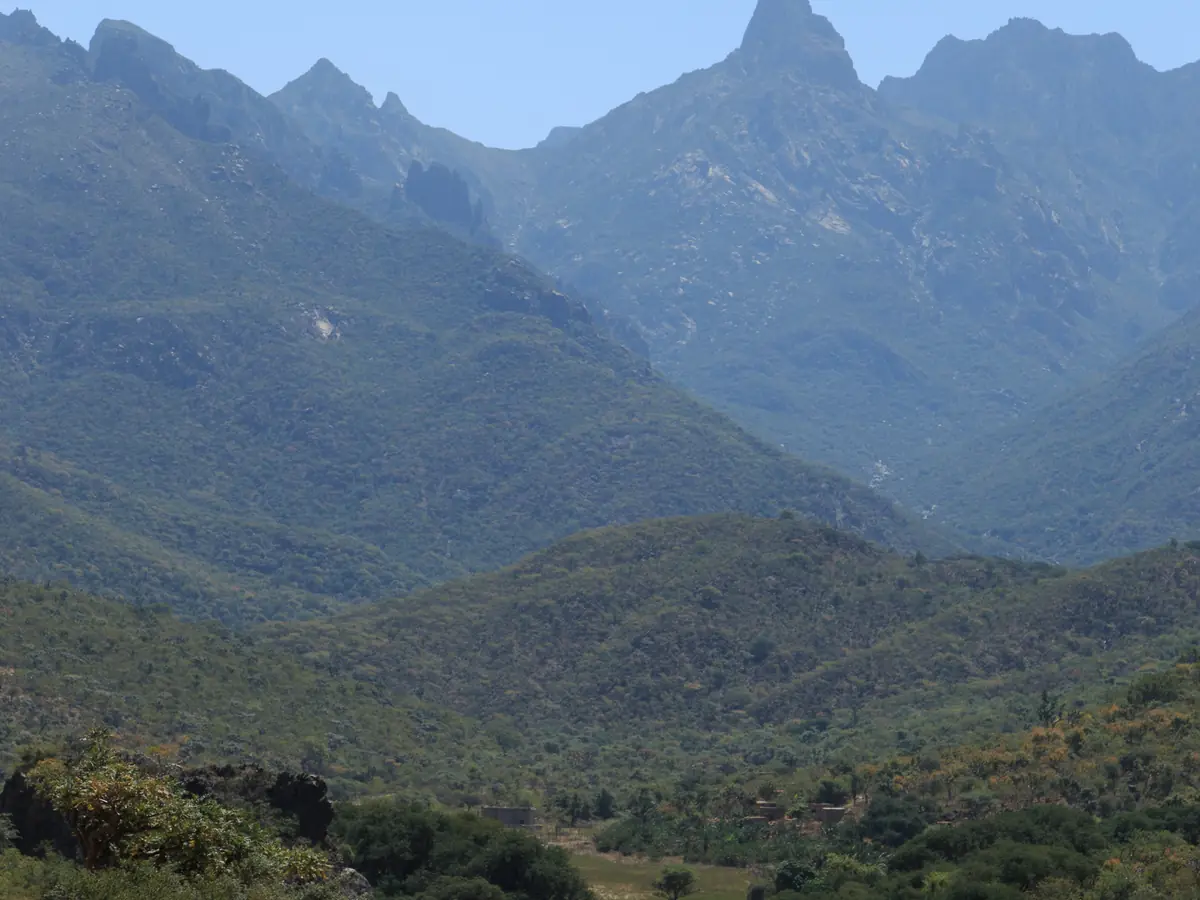
    The crossing to the southern plain, where white dunes pile against the cliffs at Zahek and the beach at Hayf is empty in both directions. The south coast is the quietest part of the island and the darkest — Amak is where the astro photographs happen.

    Overnight: Amak Beach camp

  6. Day 6

    Firmihin

    Centre

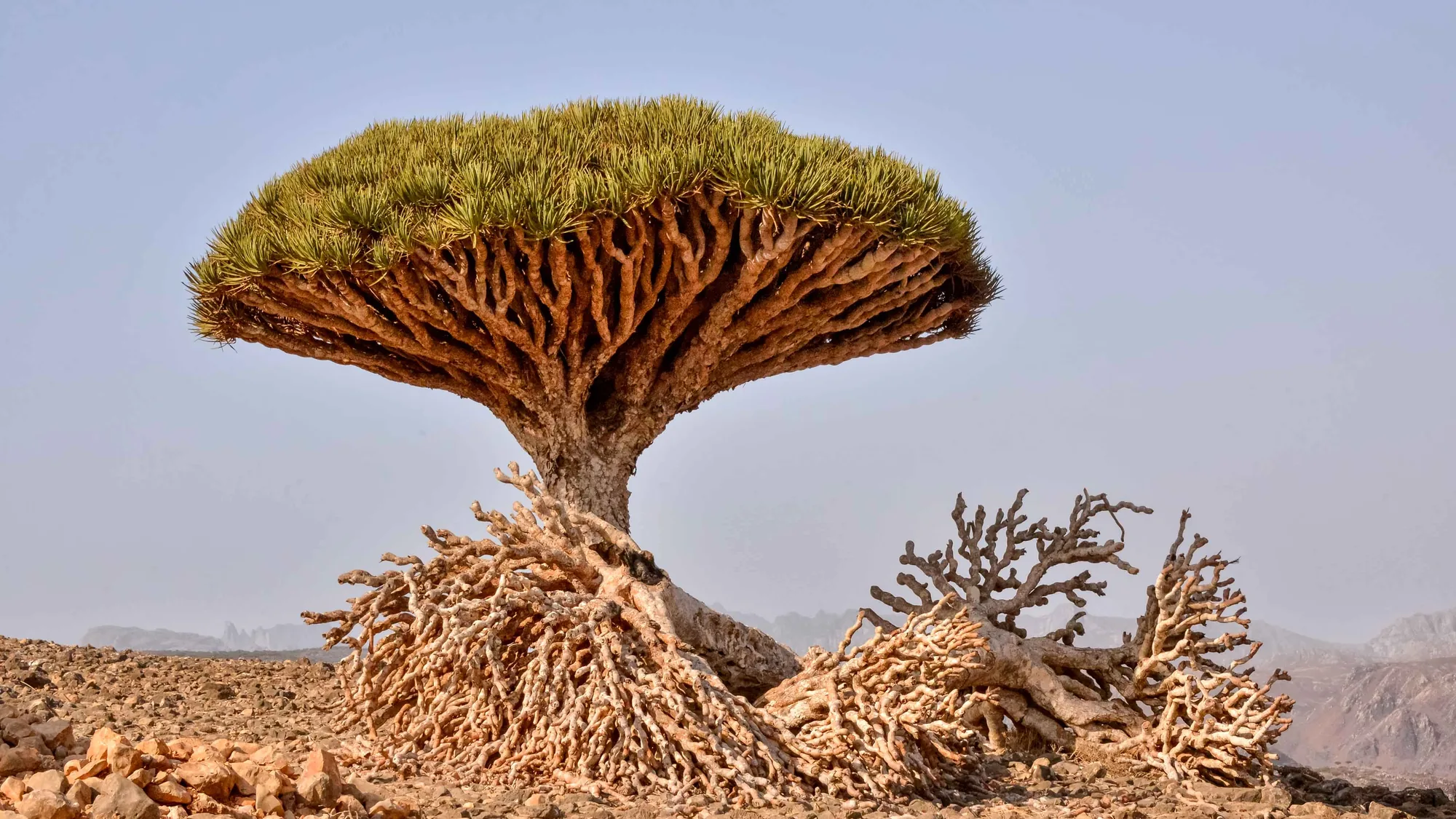
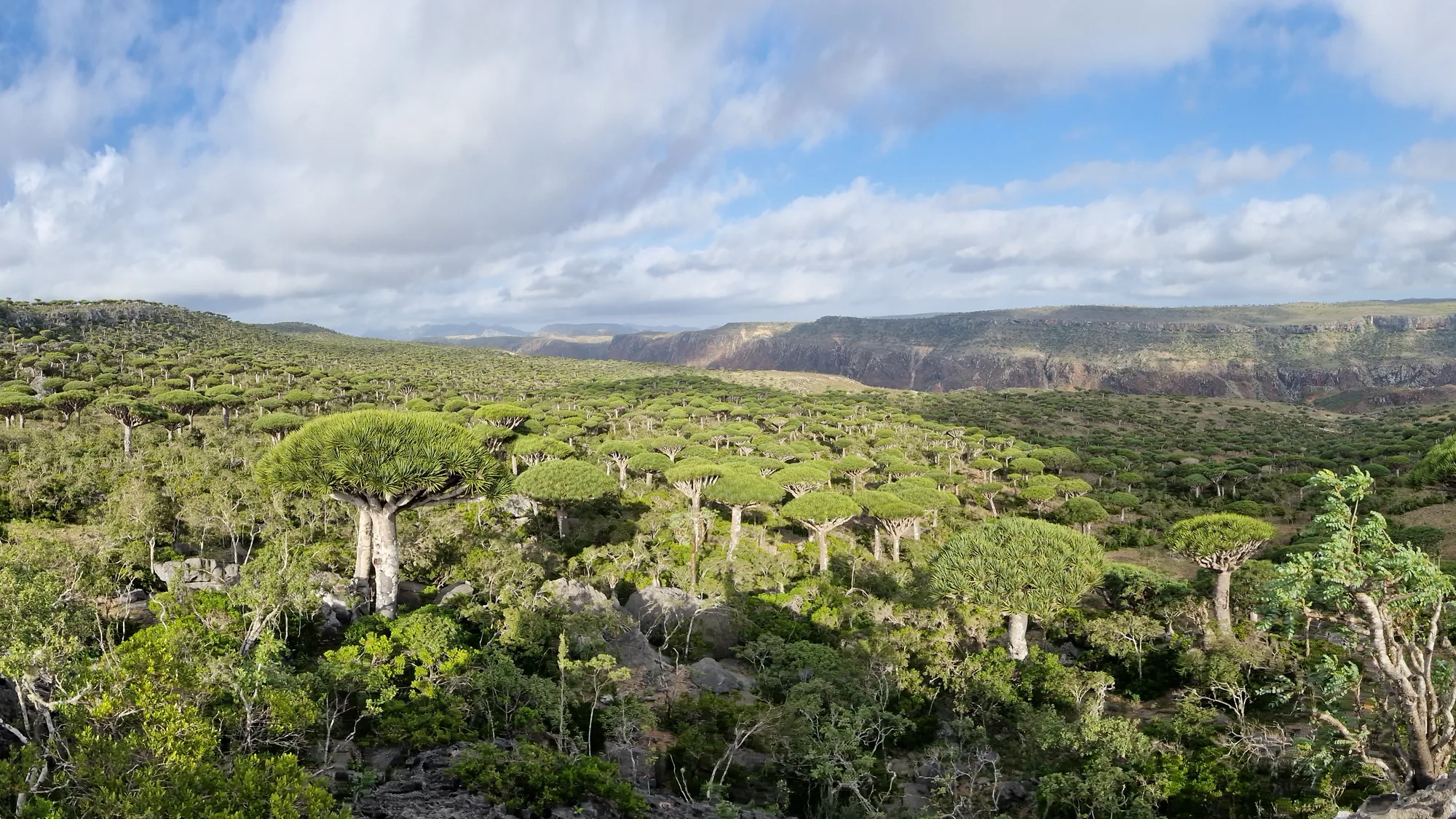
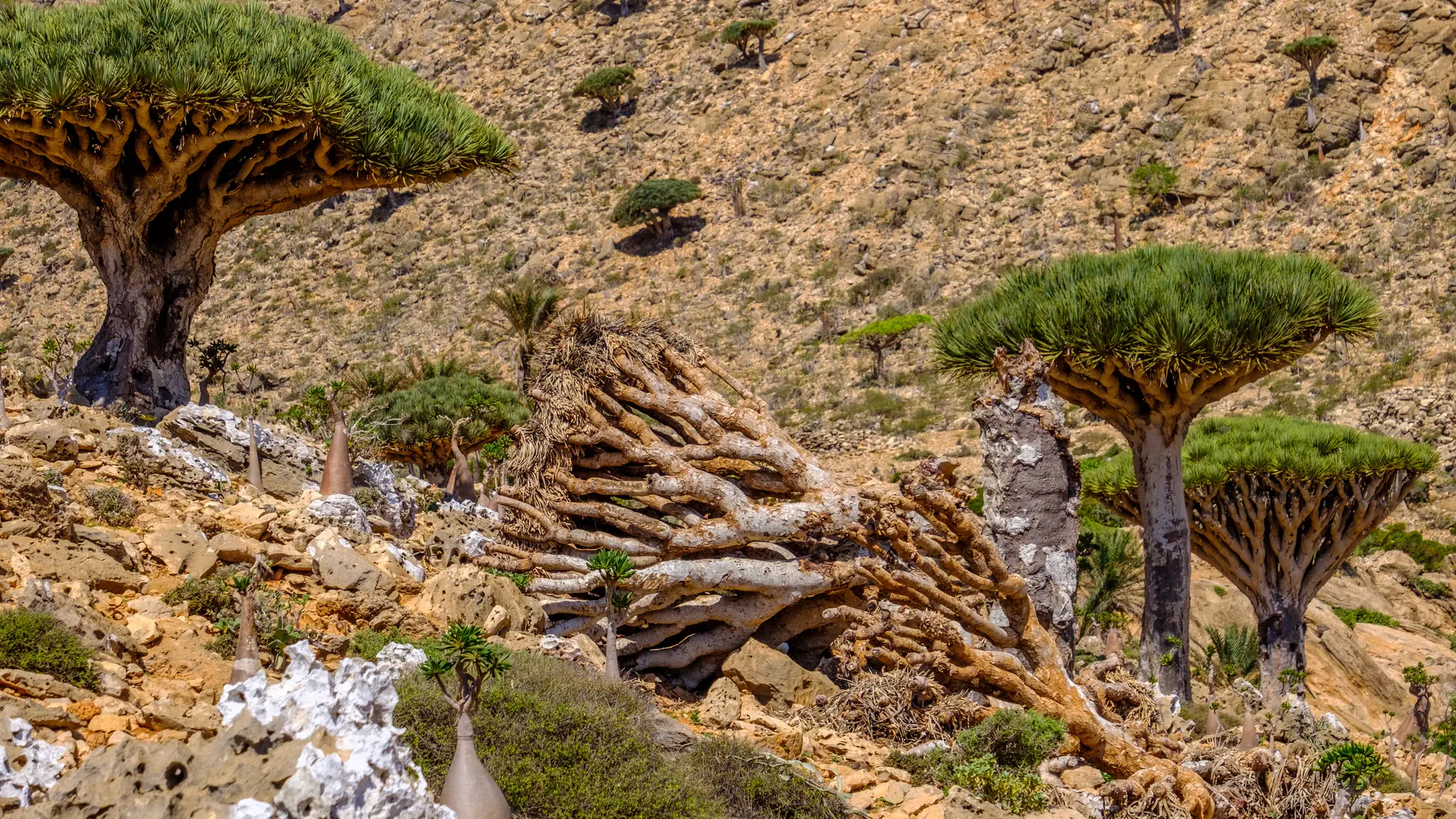
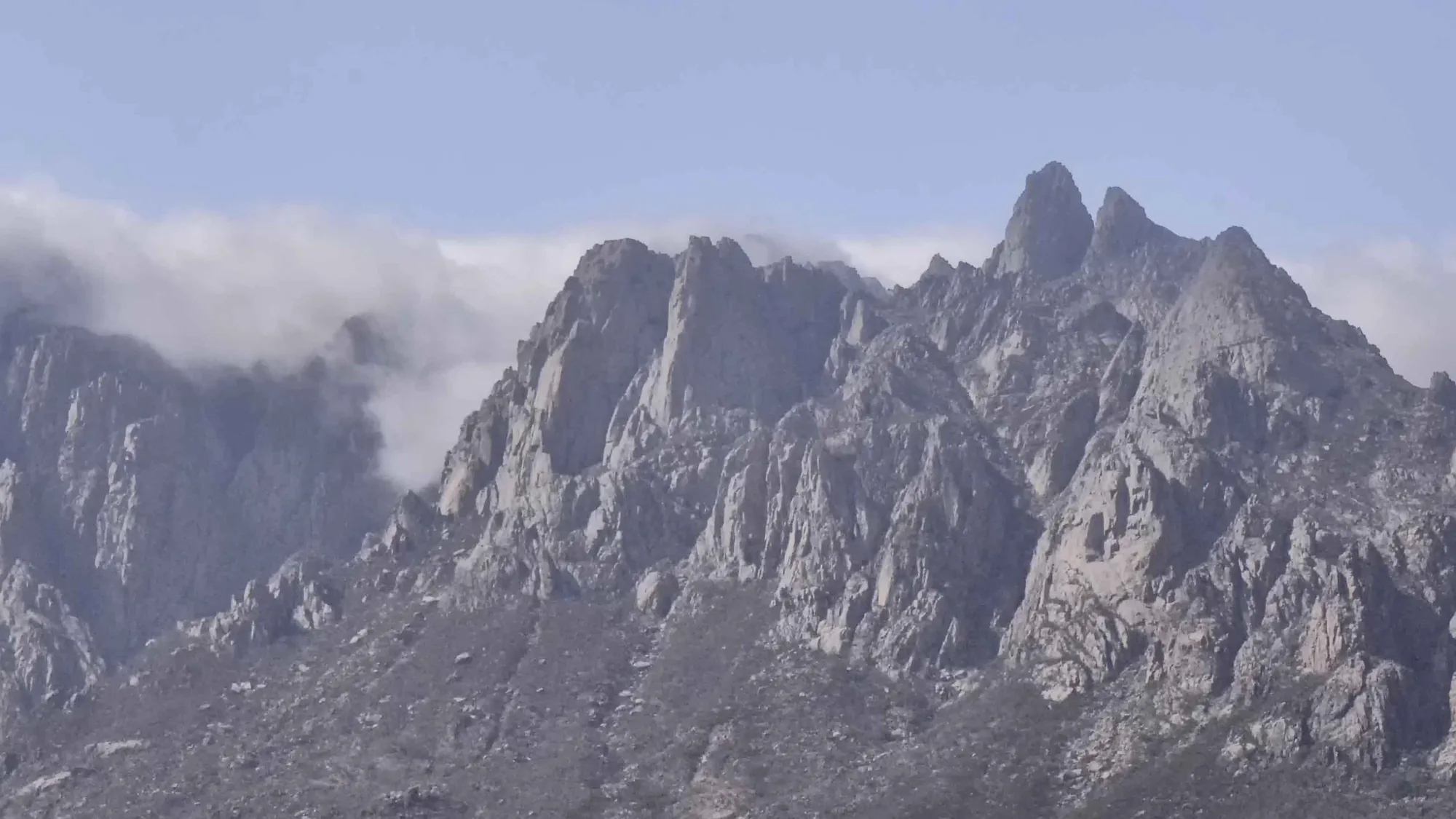
    Up onto the Diksam plateau and the Wadi Dirhur canyon, then into Firmihin: more than forty per cent of the world's dragon's blood trees standing on about two per cent of their range. We stay on the track, we cook on gas, and we do not build a fire near the trees. Camp among them, with the Milky Way over the crowns.

    Overnight: Firmihin camp

  7. Day 7

    Shuab, by boat

    West

    West to Qalansiyah, then out along the cliffs by boat to Shuab — the one site on the island that cannot be reached any other way. Spinner dolphins are common on the crossing. Back to Detwah for the last night beside the lagoon.

    Overnight: Detwah Lagoon camp

  8. Day 8

    Out

    Back to the airport, three hours before departure. Socotra's check-in is slow and manual and nobody has ever regretted arriving early.

What is included

  • Return flight Jeddah–Socotra
  • All airport transfers on Socotra
  • 4x4 with driver throughout
  • English-speaking Socotri guide, plus local site guides for the cave, the canyon and the forest
  • All meals, snacks and drinking water from the crew kitchen
  • Entry fees for every protected area on the route
  • The boat to Shuab
  • Camping equipment: tent, mattress, bedding, camp furniture and lighting

What is not

  • International flights to and from Jeddah
  • The Socotra permit, which we arrange and invoice at cost — published figures run $75–200 and no authoritative number exists
  • Travel insurance, which needs a specialist policy (see our insurance guide)
  • Tips for the crew
  • Personal spending, and anything you buy on the island — bring cash in USD
  • Drone permit, if you are bringing one

This suits you if

  • · A first trip to Socotra
  • · Seeing the whole island rather than part of it
  • · Sleeping outside for a week and not minding it
  • · Travellers who would rather spend money on the island than on the tent

Pick something else if

  • · Anyone who needs a private bathroom
  • · Mobility limits — Hoq and Kalysan are both real walks
  • · Anyone who wants to stay put; this camp moves every night

If the flight does not come

If the flight does not come. In January 2026 roughly 600 travellers sat on Socotra for about a week when the rotation stopped. It is the clearest risk on the trip, and the written terms across this market are all over the place: one operator charges $100 per person per day and says plainly that no cash refund will ever be issued for a cancelled flight, offering only non-transferable credit; another promises a full deposit refund; two put every extra night entirely on the traveller; one is silent on force majeure altogether. Travellers who were caught in January 2026 have publicly described recovering money by bank chargeback after being ignored, and being billed with no cost breakdown. Ours: if the return flight is cancelled, we keep the ground arrangement running — accommodation, food, vehicle and guide — and we bill extra nights at cost, itemised, with no margin added. We will send you that in writing before you pay anything. Ask any operator you are comparing us with for the same, and treat a vague answer as an answer.

More on the risk in is Socotra safe and insurance and health.
Frequently asked questions

Why is it exactly eight days?

Because the Jeddah–Socotra flight runs roughly once a week. Eight days is one flight in and the next flight out. Three separate operators state plainly that the length is set by the flight cycle rather than by the itinerary, so an eight-day trip is the market standard everywhere, not a feature of ours.

How hard is the walking?

Two real walks and the rest is short. Hoq Cave is published by operators at about three hours round trip with roughly an hour inside, described as needing medium fitness. Kalysan is around forty-five minutes each way to the pools. Everything else is a short stroll from where the vehicle stops.

What are the toilets like?

It varies by site and we would rather say so than pretend. Dihamri, Detwah and Homhil have shared facilities. At the other camps the honest answer is a spade and some distance. Our camping guide covers this camp by camp.

Is there any phone signal?

Patchy around Hadibo and Qalansiyah, effectively nothing at the camps. Plan to be offline for the week and tell people at home so. Anyone advertising satellite internet at a Socotra camp is making a claim we have not been able to verify independently.

Do I need to bring a sleeping bag?

No. Tent, mattress, bedding, camp furniture and lighting are all provided. Some cheaper itineraries on the market do expect you to bring your own bedding and it is not always obvious from the price — worth asking whoever you compare us with.

How cold does it get at night?

The coast stays warm. The interior plateaus are meaningfully cooler after dark and can be windy, so Firmihin and Homhil want a fleece and a windproof layer even in a season most people picture as hot.

What happens if the flight is cancelled?

We keep the ground arrangement running and bill any extra nights at cost, itemised, with no margin. You get that in writing before you pay. Roughly 600 travellers were stranded for about a week in January 2026, so this is a real scenario rather than a hypothetical one.

Ask about this trip

Socotra seats are not sold online by anyone — they are released to licensed operators, and the permit is sponsored, so every booking here starts as a conversation. Tell us your dates and we will come back with what is actually available and a firm price in writing.

Message us on WhatsApp

Prefer to read first? How booking Socotra actually works

All Socotra expeditions